
Body Composition 5 min read
Corporate Wellness Body Composition Screening in India
BMI-based screening misses the risk in Indian workforces entirely. How to run body composition screening at scale, handle privacy, and use the aggregate data.
Reading about body composition? Find an InBody test centre near you →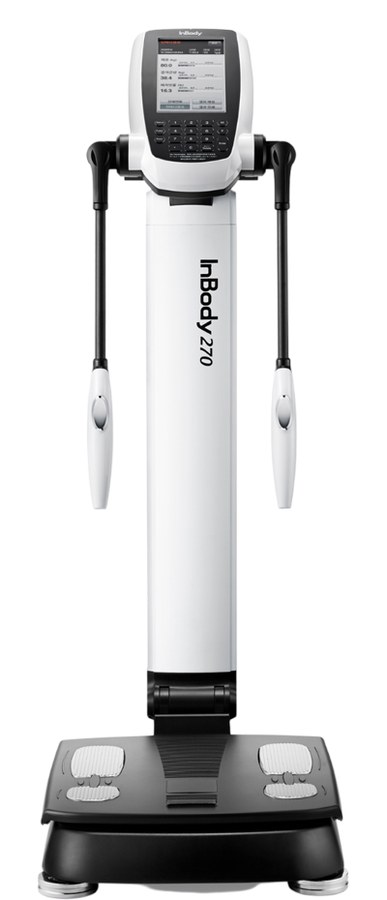
Corporate Wellness Screening That Finds Something Worth Finding
Most Indian corporate wellness programmes measure height, weight, BMI and blood pressure, hand out a report, and move on. The screening is genuine. The findings are close to useless — because BMI cannot distinguish muscle from fat, and in Indian employees that distinction is precisely where the risk hides.
Body composition screening changes what a wellness camp can detect. This guide covers why BMI-based screening under-reports risk in Indian workforces, how to run body composition screening at scale, and what to do with the aggregate data afterwards.
Why BMI-Based Corporate Screening Misses the Risk
Research consistently finds that Indians carry more body fat and less skeletal muscle at any given BMI than Western populations — the pattern commonly described as the thin-fat phenotype. ICMR and WHO Asia-Pacific guidance therefore sets lower cut-offs for Indians: overweight from BMI 23 and obesity from 25, rather than the Western 25 and 30.
Even with corrected thresholds, the structural limitation remains. A screening that records only weight and BMI will classify a large group of employees as normal while they carry elevated body fat and, more importantly, elevated visceral fat.
Visceral fat — the metabolically active fat around the abdominal organs — is associated with insulin resistance, metabolic syndrome and cardiovascular risk. A visceral fat area above 100 cm² is the recognised clinical threshold. It can be elevated in an employee whose weight, BMI and outward appearance are all unremarkable.
For a workforce in a country with a very high burden of type 2 diabetes and cardiovascular disease, that is not a marginal gap. It is the main thing a screening should be looking for.
What Body Composition Screening Adds
| Measure | Standard BMI screening | Body composition screening |
|---|---|---|
| Body weight | Yes | Yes |
| BMI | Yes | Yes |
| Body fat percentage | No | Yes |
| Skeletal muscle mass | No | Yes, in kg |
| Visceral fat | No | Yes |
| Segmental muscle balance | No | Yes |
| Body water balance | No | Yes |
| Time per employee | 2–3 minutes | ~60 seconds for the scan |
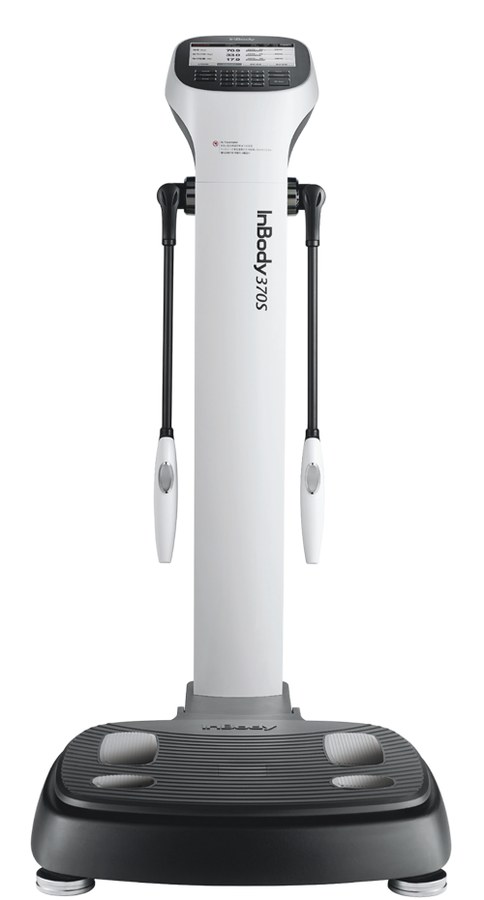
The throughput point often surprises people. The measurement itself takes about a minute, employees stay fully clothed, and there is no radiation, no needle and no privacy concern beyond removing shoes and socks. It fits a camp format more easily than blood collection does.
Running a Screening Camp: Practical Design
Throughput planning
Budget roughly three to four minutes per employee end to end — registration, scan, report handover and a brief explanation. A single device can therefore process a meaningful headcount in a working day, but the constraint is rarely the machine. It is the explanation queue.
Standardise the conditions
Bioelectrical impedance responds to hydration, and a camp running from 9 am to 6 pm will otherwise produce results that drift through the day. Practical measures:
- Ask employees not to attend immediately after a heavy meal.
- Schedule the camp before rather than after any on-site fitness activity.
- Note the time of each scan, so year-on-year comparisons can be made at matching times.
- Advise against attending straight after a gym session.
Plan the explanation, not just the scan
This is where corporate screening most often fails. A report handed over without interpretation gets left on a desk. Options that work: a health professional stationed for walkthroughs, a short group briefing before scanning begins, or a one-page interpretation guide issued with each report.
Privacy
Individual body composition results are personal health information. Set out clearly, in advance, that individual results go to the employee and that the employer receives only aggregate, de-identified data. Communicating this before the camp materially improves participation.
What to Do With the Aggregate Data
The individual reports help employees. The aggregate is what helps the organisation, and it is the part most programmes waste.
Useful aggregate views, all de-identified:
- Proportion with elevated visceral fat — the single most actionable population metric.
- Proportion with skeletal muscle mass below range for height — relevant to sedentary desk-based workforces.
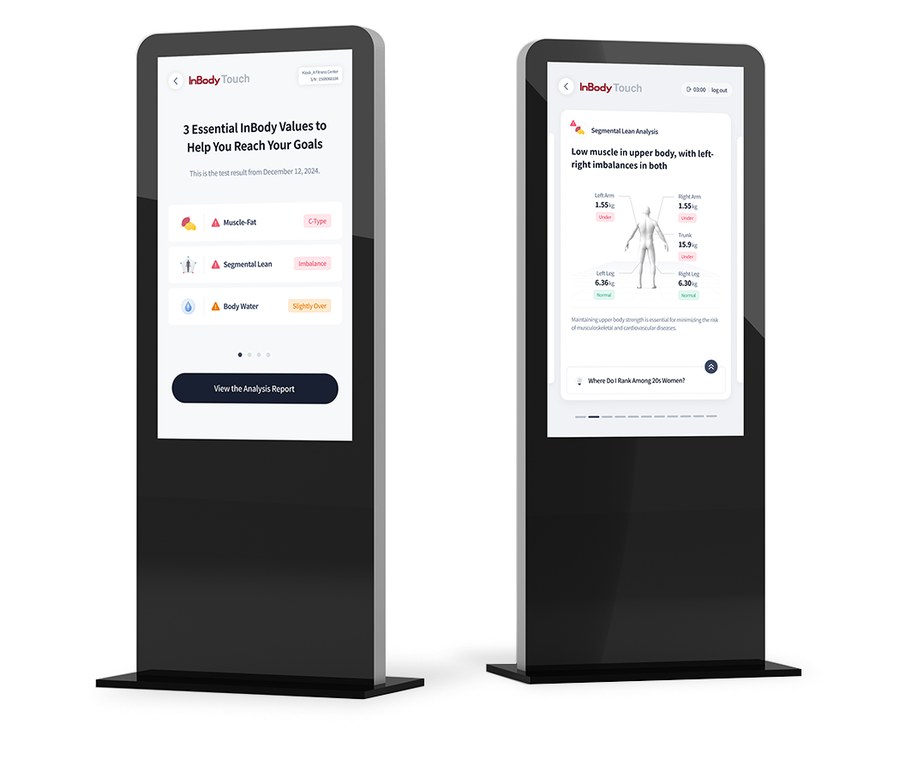
- The normal-BMI-but-elevated-body-fat group — the cohort a conventional screening would have missed entirely. Usually the most persuasive number in the whole report.
- Distribution by age band and by function, where headcount is large enough to preserve anonymity.
- Year-on-year change, if screening is repeated annually at a similar time.
That third view is typically what justifies the programme’s continuation. It quantifies, in your own workforce, how many people a weight-and-BMI screening would have reassured incorrectly.
Making It More Than an Annual Event
A single annual scan gives an employee a snapshot and little else. The value comes from direction, which needs at least a second measurement.
Approaches that work in practice:
- Twice-yearly camps rather than annual, so employees see change.
- A follow-up window six to eight weeks after the main camp, for employees flagged as higher risk.
- Partnership with a local gym or wellness centre that has a compatible device, so interested employees can re-test between camps. Centres are listed at inbody.in/locations.
- An on-site device for larger campuses, which changes the economics entirely and allows continuous access.
Specifying the Device
For corporate screening, prioritise throughput, reliability and a report an employee can understand without a clinician present:
- Tetrapolar 8-point tactile electrodes — measures the upper body, and fixes the start point so annual comparisons hold.
- All five segments measured independently.
- No empirical estimation based on age, sex or ethnicity. In a screening context this matters doubly: a device that estimates will produce similar reports across similar employees and the whole exercise loses credibility.
- Visceral fat reported explicitly.
- Three frequencies is generally sufficient; six-frequency clinical outputs are rarely needed for screening.
- Bulk data export for aggregate analysis, with IDs handled appropriately.
- Scan time around 60 seconds.
Fuller specification guidance in how to choose a body composition analyser.
A Realistic Note on Outcomes
Body composition screening does not by itself change employee health. It changes what is visible, which is a precondition for change rather than change itself.
The programmes that produce results pair screening with something actionable — a follow-up pathway for flagged employees, access to re-testing, a nutrition or activity intervention with an owner and a budget. Screening without a pathway generates a large amount of information and no follow-through, which is a more expensive way of achieving what BMI screening already achieved.
Set Up Screening for Your Organisation
Screening is worth running when it detects what BMI cannot and when a follow-up pathway exists for what it finds.
Discuss corporate wellness screening at inbody.in/Enquiryform.php, or request device options and pricing at inbody.in/inbody-price.php. Employees can find testing centres at inbody.in/locations. Related reading: how to choose an analyser, how to read a BCA report, and visceral fat ranges and risks.

Most trending articles
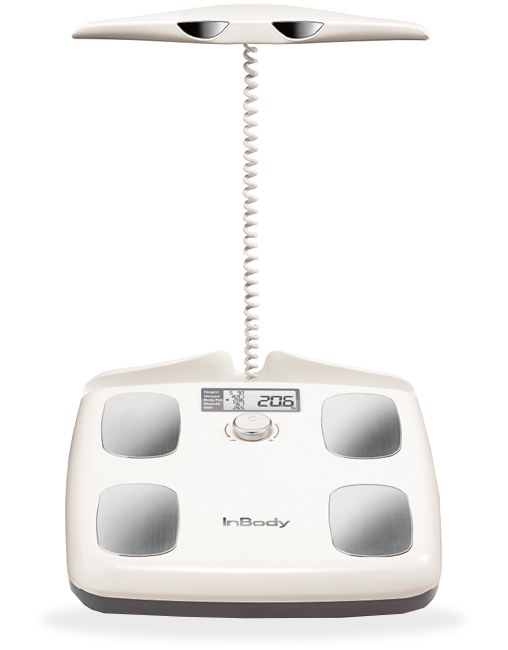
वज़न बढ़ाने के लिए क्या खाएं? सही डाइट प्लान (सिर्फ ज़्यादा खाना नहीं)
सिर्फ ज़्यादा खाने से मांसपेशी नहीं बनती, चर्बी बढ़ सकती है। सही कैलोरी सरप्लस, प्रोटीन और डाइट प्लान जो वज़न को सही तरीके से बढ़ाए — पूरी जानकारी हिंदी में।
भारत में प्रोटीन कितना ज़रूरी है? असली आंकड़े और सही फॉर्मूला
IMRB के एक सर्वे में लगभग 73% भारतीय आहार प्रोटीन-कम पाए गए। सही प्रोटीन टारगेट कैसे निकालें और किन फूड्स से पूरा करें — पूरी जानकारी हिंदी में।
Metabolic Age क्या होती है? आपकी उम्र से ज़्यादा है या कम?
आपकी असली उम्र 34 है पर शरीर 50 साल जैसा व्यवहार कर सकता है। Metabolic age क्या है, मांसपेशी घटने के जोखिम क्या हैं और इसे कैसे घटाएं — पूरी जानकारी।