
Health 19 min read
Youth Health & COVID-19: Building Resilience for a Better Tomorrow
The COVID-19 pandemic changed how we think about immunity in young people. For the first time, clinicians, parents, and educators faced an uncomfortable truth. Being young does not…
Reading about body composition? Find an InBody test centre near you →
The COVID-19 pandemic changed how we think about immunity in young people. For the first time, clinicians, parents, and educators faced an uncomfortable truth. Being young does not always mean being protected.
In fact, recent evidence suggests that body composition plays a key role in health. This includes fat mass, muscle mass, and body water. Excess body fat, in particular, is associated with weaker immune function[1]. Body composition also influences the risk of severe illness and long-term chronic disease.
As a result, the question is no longer just, “Is my child at a healthy weight?” Instead, a more important question is: “What is my child’s body made of?” And more importantly, is that composition supporting or weakening their immunity?
In this article, we explain the science behind body composition and youth immunity. We also show why common tools like BMI miss critical insights. Finally, we explore how the InBody H30 provides detailed results in under 60 seconds for clinicians, schools, and families.
| 80% of insulin-stimulated glucose uptake occurs in skeletal muscle in laboratory studies[2], so muscle mass matters for metabolic health | 60 sec Time for a complete InBody H30 body composition scan for children and adolescents | 20+ Parameters measured by the InBody H30 including growth charts, fat mass, and muscle mass | 101M Indians estimated to be living with diabetes[3][4], a condition associated with worse COVID-19 outcomes[5] |
Why COVID-19 Made Youth Body Composition a Medical Priority
When COVID-19 emerged, the early data appeared reassuring for younger populations. Children and adolescents, the evidence suggested, were less likely to develop severe disease than older adults[6]. However, as the pandemic progressed, a more nuanced picture emerged. Specifically, a meta-analysis of paediatric studies found that children with obesity had a higher risk of severe COVID-19 (pooled relative risk 2.87, 95% CI 1.16 to 7.07, from a small number of studies)[7].
Furthermore, the indirect effects of the pandemic on youth health may have been just as damaging as the virus itself. A systematic review of 26 studies covering 138,737 children and adolescents found that physical activity fell, sedentary time rose, and BMI and the prevalence of overweight and obesity increased during and after lockdowns[8]. Data on body composition specifically are more limited, but the same pressures (school closures, reduced physical activity, disrupted routines, and increased screen time) were also felt in India. As a result, many young people may have entered the post-pandemic period with a higher weight status and weaker metabolic foundations than before.
Comorbidities Are No Longer Just an Adult Problem
Traditionally, conditions like obesity, insulin resistance, and metabolic syndrome were considered adult diseases. Nevertheless, that assumption no longer holds. Evidence from global studies shows that children and adolescents with obesity already show early markers of Type 2 diabetes and cardiovascular risk[9], the kind of comorbidities that made COVID-19 more dangerous in adults[5]. Ethnic differences appear early too: South Asian children in the UK had higher fasting insulin, HbA1c, and triglyceride levels than white European children, and higher adiposity did not fully explain the gap[10].
Moreover, the chronic low-grade inflammation associated with excess body fat is linked to impaired immune function[1]. In other words, a child with excess body fat may not just face a higher risk of metabolic disease in adulthood. They may also have a less effective immune response right now, when it matters most.
CLINICAL INSIGHT FOR MEDICAL PROFESSIONALS
Body composition assessment in adolescents serves a dual clinical purpose. First, it can help identify those at possible immunological risk, since excess body fat is associated with chronic low-grade inflammation and impaired immune function[1]. Second, it can serve as an early-warning system for chronic disease risk, because overweight and obesity in youth tend to persist into adulthood[11]. Therefore, integrating body composition screening alongside BMI into school and clinic-based health programmes is worth considering.
Why BMI Fails Children and Adolescents, Especially in India
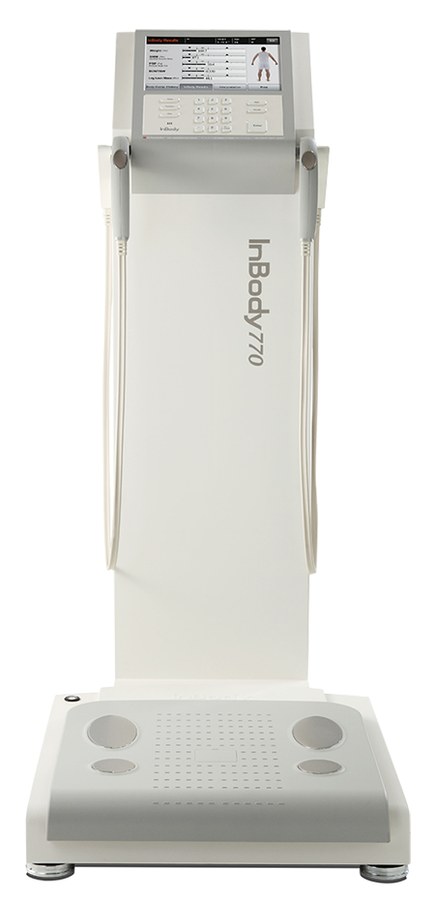
BMI remains the most commonly used metric for assessing weight status in children and adolescents in India. However, its limitations are especially pronounced in young, growing populations and particularly in South Asian children, who have been found to carry more body fat than white European children[10].
The Thin-Fat Indian Child
Research by C.S. Yajnik and colleagues at KEM Hospital Pune has shown that Indian babies tend to be “thin-fat”: small, with low muscle mass but relatively preserved body fat. The authors suggested that this body composition may persist after birth and predispose to an insulin-resistant state[12]. Consequently, an Indian adolescent with a BMI in the “healthy” range may still carry more body fat than the BMI suggests.
Furthermore, BMI cannot distinguish the rapid, normal fluctuations in muscle mass, bone mass, and fat mass that occur during puberty. As a result, it is a particularly unreliable tool during precisely the developmental window when accurate body composition data matters most adolescence.
| What Clinicians Need to Know | BMI Tells You | InBody H30 Tells You |
|---|---|---|
| Is fat mass within healthy range? | No, weight only, no fat detail | Yes, precise fat mass in kg and % with age/gender norms |
| Is muscle mass adequate for age? | No, cannot measure muscle | Yes, skeletal muscle mass vs growth chart norms |
| Is growth trajectory healthy? | Partial: weight for age only | Yes, growth graphs for all key composition parameters |
| Is the child at metabolic risk? | No, misses thin-fat phenotype | Yes, visceral fat, ECW/TBW ratio, obesity analysis |
| Is immunity likely compromised? | No | Indicative: high fat + low muscle may warrant clinical follow-up |
| Are results India-specific? | No, Western reference ranges | Yes, Asian-calibrated reference values applied |
The Science: How Body Composition Directly Affects Immune Function
The relationship between body composition and immune function is increasingly recognised in the clinical literature[1]. Specifically, three body composition components (fat mass, skeletal muscle mass, and body water distribution) may each play a distinct role in how effectively the immune system responds to pathogens like SARS-CoV-2.
Fat Mass: How Excess Body Fat Suppresses Immunity
Adipose tissue, particularly visceral fat surrounding the abdominal organs, is metabolically active. It secretes pro-inflammatory signalling molecules (cytokines) that can keep the immune system chronically activated[1]. As a result, children and adolescents with high fat mass may live with persistent, low-grade inflammation. Consequently, when a genuine immune challenge like COVID-19 arrives, the immune system’s capacity for a targeted, proportionate response may already be compromised.
Moreover, excess fat mass may also blunt the response to vaccination. Reviews of vaccine studies in people with excess body weight report that antibody titres can be lower, and antibodies may be lost faster, than in people of healthy weight[13], although vaccines still protect people with higher BMI. How closely these findings apply to children and adolescents is less certain. In other words, addressing body composition in youth is not just a long-term health goal. It may also matter for immune readiness now.

Skeletal Muscle Mass: The Immune System’s Fuel Reserve
Skeletal muscle plays a role in immunity that goes far beyond physical strength. During infection, immune cells consume large quantities of amino acids, specifically glutamine, to support their proliferation and activity. Skeletal muscle is one of the main organs that controls glutamine release and availability, alongside the gut and liver[14]. Therefore, a child or adolescent with low skeletal muscle mass may have less reserve to draw on over the course of an illness.
In addition, skeletal muscle accounts for approximately 80% of insulin-stimulated glucose uptake in laboratory studies[2]. This means that low muscle mass is linked to insulin resistance[15] (shown in adults), and diabetes is in turn associated with worse COVID-19 outcomes[5]. As a result, the muscle-immunity connection may operate on multiple levels simultaneously.
CLINICAL ALERT: LOW MUSCLE MASS IN INDIAN ADOLESCENTS
In some Indian children and adolescents, excess fat and low muscle mass can occur together, the “thin-fat” pattern[12], sometimes also described as sarcopenic obesity (a term mainly defined for adults). Diets that draw much of their protein from lower-quality cereal sources[16], sedentary lifestyles, and reduced outdoor activity (accelerated by pandemic lockdowns[8]) may all contribute. This pattern may raise the risk of both a weaker immune response and early-onset metabolic disease. BMI screening can miss it; direct body composition measurement is needed to identify it.
Body Water Distribution: The ECW/TBW Ratio as an Inflammation Marker
The ECW/TBW ratio, the ratio of extracellular water to total body water, reflects fluid balance and is used as a marker of cellular health and systemic inflammation[17]. In adults, BIA-estimated values of roughly 0.36 to 0.40 are typical of healthy people, and studies commonly use cut-offs of about 0.390 to 0.400 to define fluid excess (overhydration)[18]. Published cut-offs come mostly from adult studies, so a child’s result is best interpreted by a clinician and followed over time rather than judged against a single number.
Furthermore, because the ratio is reported on every scan, clinicians using the InBody H30 can follow it over time alongside fat mass and muscle mass. Consequently, they can track not just whether a child’s weight is changing, but also how the underlying composition is shifting.
Body Composition During Puberty: Why This Window Is Critical
Puberty is a major period of body composition change and a window during which adult metabolic health can be shaped. During puberty, fat mass, lean body mass, and bone mineral content all undergo rapid, age-correlated transformations. As a result, the body composition trajectory established during adolescence may influence adult health outcomes.
Specifically, a systematic review of longitudinal studies found that overweight and obesity in youth tend to persist into adulthood, although the likelihood is moderate and varies between studies[11]. Moreover, the metabolic changes of puberty, including the temporary rise in insulin resistance that peaks around mid-puberty (Tanner stage 3) and returns towards pre-pubertal levels by the end of puberty[19], make this period one in which poor diet, inactivity, and excess fat accumulation may compound one another.
Gender Differences in Pubertal Body Composition
Body composition trajectories during puberty differ between boys and girls[20], a distinction that BMI, which reflects only weight and height, cannot capture. In boys, puberty is characterised by a pronounced increase in lean and skeletal muscle mass, driven largely by sex hormones. In girls, by contrast, puberty typically brings relatively greater fat accumulation. Consequently, a single BMI reference range cannot meaningfully assess both sexes during this developmental period.
The InBody H30 applies gender-specific reference values and generates separate growth charts for boys and girls, ensuring that assessments are clinically meaningful for each patient, not just statistically average across both groups. Furthermore, these reference charts allow clinicians and parents to track composition changes longitudinally across multiple scans, providing a genuine developmental picture rather than a single snapshot.

The InBody H30: Body Composition Analysis for Children and Adolescents
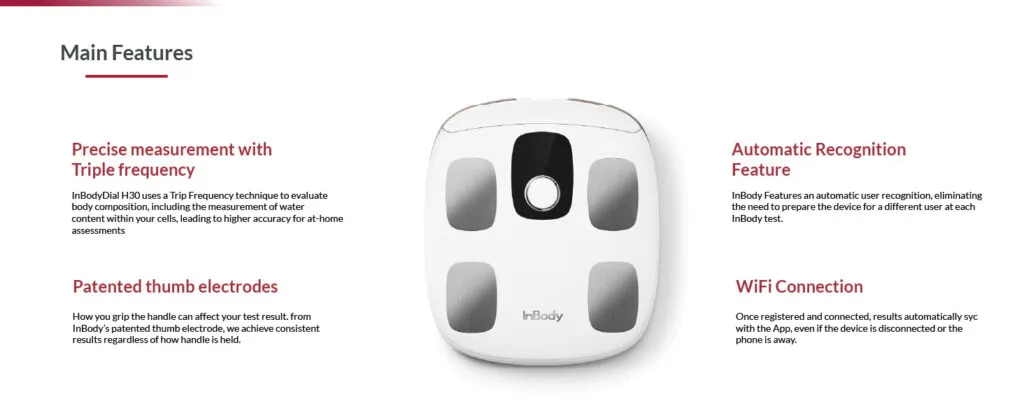
The InBody H30 is specifically designed for use with children and adolescents. Unlike standard adult body composition devices, it applies paediatric-specific algorithms and reference ranges, ensuring that results are clinically meaningful for growing bodies at every stage of development. Furthermore, the scan is completely non-invasive and takes under 60 seconds, making it practical for use in schools, clinics, and community health programmes.
How the InBody H30 Works
The InBody H30 uses Direct Segmental Multi-frequency Bioelectrical Impedance Analysis (DSM-BIA) to measure body composition. In simple terms, it sends a safe, low-level electrical current through the body at multiple frequencies. The device measures the resistance to this current, called impedance, independently through each body segment. No dunking, no pinching, no discomfort. The child simply stands on the device and holds the hand electrodes for 60 seconds.
What the InBody H30 Measures: 20+ Parameters in 60 Seconds
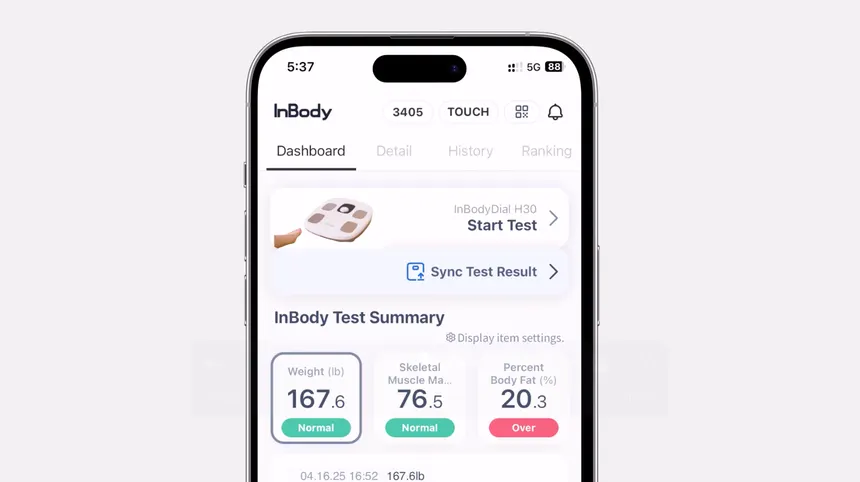
The InBody H30 result sheet provides a comprehensive body composition profile across more than 20 parameters. Specifically, the most clinically significant outputs for youth health and immunity assessment include the following:
- Fat Mass (kg): Total body fat weight tracked against age- and gender-specific reference ranges for children and adolescents.
- Skeletal Muscle Mass (kg): Total lean muscle weight is a useful indicator of metabolic health and glucose disposal capacity.
- Body Fat Percentage (%): The proportion of total body weight that is fat tissue, assessed against paediatric norms, not adult reference ranges.
- Body Water Levels (litres): Total body water, intracellular water, and extracellular water, providing the ECW/TBW ratio as a fluid balance and nutritional status marker.
- Muscle-Fat Analysis: A visual comparison of the child’s muscle and fat levels relative to their height, an immediately interpretable indicator of whether composition is balanced.
- Obesity Analysis: BMI and percent body fat assessed side by side, allowing clinicians to identify thin-fat cases that BMI alone misses.
- Growth Graphs: Longitudinal charts of weight, height, BMI, and body composition parameters, enabling growth trajectory monitoring across multiple visits.
- Weight Control Information: Target fat mass and muscle mass values, giving parents and clinicians a specific, actionable goal rather than a vague “eat less, move more” instruction.
Body Composition Monitoring in the New Normal: Schools, Clinics, and Families
As schools and educational institutions return to full operation, they face a health challenge that did not exist before the pandemic: a cohort of students whose physical activity and weight status may have worsened during lockdown[8]. Consequently, the standard annual height-and-weight check is no longer sufficient. What is needed, instead, is a systematic approach to body composition monitoring, one that identifies students at metabolic and immunological risk before clinical disease develops.
Integrating InBody H30 Into School Health Programmes
The InBody H30 is well-suited to school-based health programmes for several reasons. First, the scan takes under 60 seconds, making it practical to screen an entire class in a single session. Second, the result sheet is immediately interpretable by teachers, school nurses, and parents; it does not require specialist interpretation. Third, the growth charts enable year-on-year tracking, so schools can monitor whether student health is improving or deteriorating over time.
Furthermore, the personalised, visual nature of the InBody H30 result sheet motivates students and families to engage with health in a way that abstract BMI numbers do not. When a student can see exactly how much of their body weight is muscle versus fat and whether that balance is moving in the right direction, it creates genuine motivation for the dietary and physical activity changes that actually improve health.
Recommended Clinical Protocol for Adolescent Body Composition Monitoring
For clinicians working with children and adolescents, the following monitoring schedule is a practical suggestion based on the capabilities of the InBody H30 (it is not drawn from a published guideline):
- Baseline scan at first clinical contact establishes the patient’s current body composition profile and flags any immediate risks (high fat mass, critically low muscle, elevated ECW/TBW ratio).
- A follow-up scan at 3 months assesses whether dietary and physical activity interventions are producing measurable body composition change.
- 6-monthly scans thereafter track development across the pubertal growth period, allowing early detection of unfavourable composition trajectories.
- An annual scan for healthy patients provides a routine developmental record and maintains engagement with health monitoring.
- Additional scan post-illness (including post-COVID recovery) can detect muscle loss and changes in the ECW/TBW ratio, helping guide nutritional rehabilitation.
POST-COVID RECOVERY NOTE
Children and adolescents recovering from COVID-19 or other significant illness may lose muscle mass or show changes in body water. Changes like these are not detectable by weight or BMI alone. An InBody H30 scan at the point of recovery can provide data to help guide nutritional rehabilitation and monitor return to full physiological health. This is particularly relevant for students returning to physical education and competitive sport after COVID-19 illness.
Nutrition and Physical Activity: Building the Body Composition That Supports Immunity
Body composition does not change through awareness alone. It changes through specific, targeted interventions in nutrition and physical activity, and it is only through body composition monitoring that clinicians and parents can confirm whether those interventions are working. Specifically, the following recommendations apply to Indian children and adolescents seeking to improve body composition and overall health.
Protein: The Most Under-Consumed Nutrient in Indian Adolescent Diets
Protein is the macronutrient most directly responsible for building and maintaining skeletal muscle mass. In Indian diets overall, almost 60% of protein comes from cereals, which have relatively low digestibility and quality[16]. Consequently, adolescents whose diets rely heavily on cereal protein may be getting less usable protein than the grams on paper suggest, even if they appear well-nourished by caloric standards.
The ICMR-NIN (2020) Recommended Dietary Allowance for protein for Indian adolescents aged 10 to 18 years is about 0.83–0.91 g of protein per kilogram of body weight per day (roughly 32–55 g a day, depending on age and sex), rising to 1 g/kg/day for people eating a cereal-based diet with low-quality protein[21]. Good sources in the Indian diet include: dal and legumes, paneer, eggs, curd and buttermilk, nuts and seeds, and soy-based foods. Additionally, spreading protein intake across the day’s meals, rather than eating most of it at a single meal, is a practical way to meet daily needs.
Exercise: Resistance Training Is Not Just for Adults
There is a persistent misconception that resistance training exercises designed to build and preserve muscle mass are inappropriate for children and adolescents. In reality, position statements from paediatric sports medicine and strength-and-conditioning bodies indicate that age-appropriate resistance training, when properly designed and supervised, can be safe and beneficial for children. As a general guide, a child who is ready for sport participation (generally age 7 or 8) is ready for some type of resistance training[22].
Specifically, the WHO recommends that children and adolescents do an average of at least 60 minutes a day of moderate-to-vigorous, mostly aerobic activity, with vigorous aerobic activities and muscle- and bone-strengthening activities included at least 3 days a week[23]. Supervised resistance training, typically 2 to 3 non-consecutive days a week, has been associated with favourable changes in body composition and insulin sensitivity in young people with obesity or at risk of it, although the evidence comes from relatively small studies[22]. Moreover, regular physical activity is associated with better mental health in young people, including fewer depressive symptoms[23], which is particularly relevant for adolescents who experienced the social isolation and psychological stress of pandemic lockdowns.
Frequently Asked Questions
The InBody H30 uses a safe, low-level electrical current that is not felt by children. The scan takes under 60 seconds, requires no needles or radiation, and is suitable for most children except those with implanted pacemakers or defibrillators without medical clearance.
A weighing scale only shows total body weight and cannot distinguish between fat, muscle, or body water. The InBody H30 analyses over 20 body composition parameters, helping clinicians and parents understand what a child’s weight is made of and how it impacts overall health.
BMI cannot distinguish fat from muscle, which is a major limitation, especially in India[10][12].
A child may have a “healthy” BMI yet still carry high body fat, low muscle mass, and elevated visceral fat risks that tools like the InBody H30 can detect in under 60 seconds, while BMI misses them.
The InBody H30 is available across paediatric clinics, school health programmes, sports medicine facilities, and community wellness centres throughout India. For nearby scanning centres or institutional deployment in schools and corporate wellness programmes, contact InBody India.
Key Takeaways: Youth Body Composition and COVID-19 Immunity
- Body composition adds information that weight and BMI alone cannot give about health in children and adolescents. Excess body fat is associated with weaker immune function, and low muscle mass may reduce the amino acid reserves available to sustain an immune response.
- In some Indian children and adolescents, excess fat and low muscle occur together, the thin-fat pattern that standard BMI screening cannot detect.
- The pubertal window matters. Overweight and obesity in youth tend to persist into adulthood, so adolescence is a sensible time to act.
- The InBody H30 measures 20+ parameters in under 60 seconds, including paediatric-specific fat mass, skeletal muscle mass, body water distribution, growth charts, and obesity analysis, all calibrated for Asian-population reference values.
- Post-COVID recovery in children may benefit from body composition monitoring to detect changes in muscle mass and body water, and to guide targeted nutritional rehabilitation.
- Practical steps: adequate protein (about 0.83–0.91 g/kg/day per ICMR-NIN)[21], at least 60 minutes of daily activity[23], and supervised resistance training can support healthier body composition in Indian adolescents.
Know Your Child’s Body Composition. Protect Their Health Now and in the Future.
An InBody H30 scan takes under 60 seconds and gives clinicians, parents, and educators the body composition data needed to make genuinely informed decisions about a child’s health before disease develops, not after.

Find an InBody Scanner Near You
References
- Milner JJ, Beck MA. The impact of obesity on the immune response to infection. Proc Nutr Soc. 2012;71(2):298-306. PubMed · DOI
- DeFronzo RA, Tripathy D. Skeletal muscle insulin resistance is the primary defect in type 2 diabetes. Diabetes Care. 2009;32 Suppl 2:S157-63. PubMed · DOI
- Anjana RM, Unnikrishnan R, Deepa M, Pradeepa R, Tandon N, Das AK, et al. Metabolic non-communicable disease health report of India: the ICMR-INDIAB national cross-sectional study (ICMR-INDIAB-17). Lancet Diabetes Endocrinol. 2023;11(7):474-489. PubMed · DOI
- Mohan V, Anjana RM, Tandon N. Lessons Learnt from the ICMR-INDIAB Study. Natl Med J India. 2023;36(3):137-139. PubMed · DOI
- Huang I, Lim MA, Pranata R. Diabetes mellitus is associated with increased mortality and severity of disease in COVID-19 pneumonia – A systematic review, meta-analysis, and meta-regression. Diabetes Metab Syndr. 2020;14(4):395-403. PubMed · DOI
- Ludvigsson JF. Systematic review of COVID-19 in children shows milder cases and a better prognosis than adults. Acta Paediatr. 2020;109(6):1088-1095. PubMed · DOI
- Tsankov BK, Allaire JM, Irvine MA, Lopez AA, Sauvé LJ, Vallance BA, et al. Severe COVID-19 Infection and Pediatric Comorbidities: A Systematic Review and Meta-Analysis. Int J Infect Dis. 2021;103:246-256. PubMed · DOI
- Zaccagni L, Gualdi-Russo E. Reduced Physical Activity and Increased Weight Status in Children and Adolescents During the COVID-19 Pandemic: A Systematic Review. Children (Basel). 2025;12(2):178. PubMed · DOI
- Weiss R, Dziura J, Burgert TS, Tamborlane WV, Taksali SE, Yeckel CW, et al. Obesity and the metabolic syndrome in children and adolescents. N Engl J Med. 2004;350(23):2362-2374. PubMed · DOI
- Whincup PH, Nightingale CM, Owen CG, Rudnicka AR, Gibb I, McKay CM, et al. Early emergence of ethnic differences in type 2 diabetes precursors in the UK: the Child Heart and Health Study in England (CHASE Study). PLoS Med. 2010;7(4):e1000263. PubMed · DOI
- Singh AS, Mulder C, Twisk JW, van Mechelen W, Chinapaw MJ. Tracking of childhood overweight into adulthood: a systematic review of the literature. Obes Rev. 2008;9(5):474-488. PubMed · DOI
- Yajnik CS, Fall CH, Coyaji KJ, Hirve SS, Rao S, Barker DJ, et al. Neonatal anthropometry: the thin-fat Indian baby. The Pune Maternal Nutrition Study. Int J Obes Relat Metab Disord. 2003;27(2):173-180. PubMed · DOI
- Drożdżyńska J, Jakubowska W, Kemuś M, Krokowska M, Karpezo K, Wiśniewska M, et al. SARS-CoV-2 and Influenza Vaccines in People with Excessive Body Mass-A Narrative Review. Life (Basel). 2022;12(10):1617. PubMed · DOI
- Cruzat V, Macedo Rogero M, Noel Keane K, Curi R, Newsholme P. Glutamine: Metabolism and Immune Function, Supplementation and Clinical Translation. Nutrients. 2018;10(11):E1564. PubMed · DOI
- Srikanthan P, Karlamangla AS. Relative muscle mass is inversely associated with insulin resistance and prediabetes. Findings from the third National Health and Nutrition Examination Survey. J Clin Endocrinol Metab. 2011;96(9):2898-2903. PubMed · DOI
- Swaminathan S, Vaz M, Kurpad AV. Protein intakes in India. Br J Nutr. 2012;108 Suppl 2:S50-8. PubMed · DOI
- Lai TF, Park JH, Jang M, Chen J, Shin MJ, Moon E, et al. Elevated extracellular water to total body water ratio and low phase angle in relation to muscle function in middle-aged and older adults. J Int Soc Sports Nutr. 2025;22(1):2536693. PubMed · DOI
- Akimoto T, Tasaki K, Ishihara M, Hara M, Nakajima H. Association of Body Water Balance, Nutritional Risk, and Sarcopenia with Outcome in Patients with Acute Ischemic Stroke: A Single-Center Prospective Study. Nutrients. 2024;16(13):2165. PubMed · DOI
- Moran A, Jacobs DR Jr, Steinberger J, Hong CP, Prineas R, Luepker R, et al. Insulin resistance during puberty: results from clamp studies in 357 children. Diabetes. 1999;48(10):2039-2044. PubMed · DOI
- Wells JC. Sexual dimorphism of body composition. Best Pract Res Clin Endocrinol Metab. 2007;21(3):415-430. PubMed · DOI
- Indian Council of Medical Research – National Institute of Nutrition (ICMR-NIN). A Brief Note on Nutrient Requirements for Indians, the Recommended Dietary Allowances (RDA) and the Estimated Average Requirements (EAR), ICMR-NIN, 2020. Hyderabad: ICMR-NIN; 2020. ICMR-NIN (PDF)
- Faigenbaum AD, Kraemer WJ, Blimkie CJ, Jeffreys I, Micheli LJ, Nitka M, et al. Youth resistance training: updated position statement paper from the national strength and conditioning association. J Strength Cond Res. 2009;23(5 Suppl):S60-79. PubMed · DOI
- Bull FC, Al-Ansari SS, Biddle S, Borodulin K, Buman MP, Cardon G, et al. World Health Organization 2020 guidelines on physical activity and sedentary behaviour. Br J Sports Med. 2020;54(24):1451-1462. PubMed · DOI

Most trending articles
Student Fitness Screening in India: A Guide for Schools
CBSE HPE, Fit India and Khelo India rely on BMI. How schools and colleges can add body composition screening safely, with child caveats and DPDP consent.
Creatine and Your Body Composition Scan: What Changes
Creatine raises body water and lean mass readings within a week on BIA and DXA. What the studies show and how to time your scans to read progress honestly.

Adding a Body Composition Test to a Pharmacy Health Corner
How Indian pharmacies and diagnostic centres can add a body composition test to a health corner: space, staff role, what not to say, referrals, DPDP.