
Health 10 min read
Diwali to New Year: The 6-Week Window Behind Half of India’s Annual Weight Gain — And What Body Composition Testing Reveals
Research shows nearly half of a year's weight gain happens in just six festival weeks. Here's how to tell if your post-Diwali kilos are fat, water, or both.
Reading about body composition? Find an InBody test centre near you →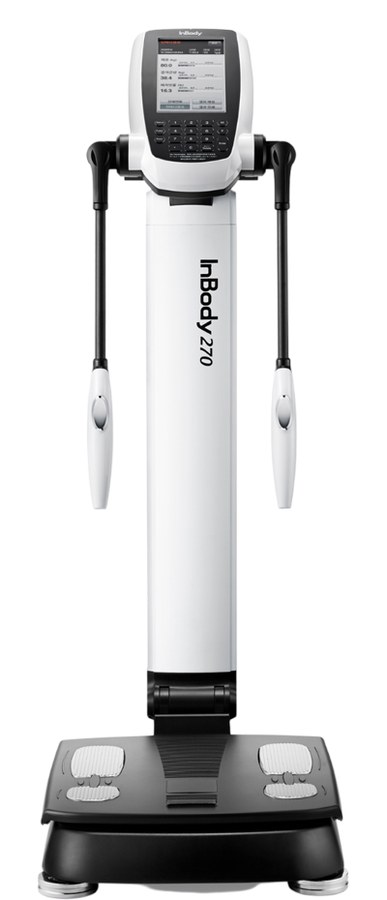
The Scale After Diwali: Panic, or Ignore It?
Every year, the same week happens. Diwali ends, the last box of mithai is finished, the diyas are packed away — and somewhere in the following days, you step on the scale. It has moved. Sometimes by half a kilo, sometimes by two or three. And almost everyone falls into one of two camps: total panic (“I’ve ruined months of progress in five days”), or total denial (“it’s just water, it’ll go away”). Neither camp actually knows which one is true. That’s the real problem with Diwali weight gain — not the food, not the festival, but the fact that nobody is measuring the thing that actually matters.
This isn’t only a Diwali problem. In much of India, the run from Navratri and Dussehra through Diwali, into wedding season, and on to New Year is one long stretch of celebration — richer food, later nights, skipped workouts, and hospitality that’s genuinely hard to say no to. The question worth answering isn’t “how do I avoid festival food.” It’s “what actually happened to my body during that stretch, and how much of it is real.”
The honest answer: a post-festival scale jump is almost always a mix of two very different things — water and glycogen on one side, genuine fat gain on the other — and a bathroom scale cannot tell you the ratio. A body composition test can. This article covers the real research on holiday-season weight gain, the actual calorie load of common Diwali foods, and how to find out what really happened to your body instead of guessing.
The Real Mechanism: Why the Scale Jump Isn’t What You Think
To understand why the number on the scale is so misleading after a festival week, you need to understand what your body actually did with all that food.
Part one: glycogen and water. Festival food in India is carbohydrate-dense — rice, sugar syrup-soaked sweets, refined flour, fried snacks. Eat significantly more carbohydrate than usual for several days running, and your muscles and liver top up their glycogen stores. Glycogen isn’t stored dry — it binds water, at roughly 3 to 4 grams of water per gram of glycogen. Push your glycogen stores up by even 400–500 grams over a week of feasting (entirely plausible), and that alone can pull in an extra 1.2–1.5 kg of water. None of it is fat — it’s your body replenishing fuel stores, and it typically unwinds within one to two weeks once eating and activity return to normal.
Part two: an actual calorie surplus. At the same time, festival season is a genuine surplus for most people, not an illusion. Sweets are dense in sugar and ghee, fried snacks add substantial fat calories, and normal eating windows dissolve into constant hosting and being hosted. Two behavioural shifts quietly compound it further: exercise gets skipped for days at a stretch, and sleep gets shorter and later with parties and family gatherings running past normal bedtimes. Research on sleep restriction found that losing even around 80 minutes of sleep a night for six weeks produced measurable weight gain and more sedentary daytime behaviour — and disrupted sleep is specifically linked to more snacking on high-fat, high-carbohydrate foods, exactly what Diwali serves in abundance.
Put those two mechanisms together: some of what shows up on the scale is water that will leave on its own, and some is genuine new fat tissue that will not. The scale adds them into one number with no way to separate them. That’s the entire problem.
India’s Festival Season, By the Numbers
The most rigorous data on holiday-season weight gain comes from a landmark study in the New England Journal of Medicine, tracking adults through the US Thanksgiving-to-New-Year period — a roughly six-week window structurally similar to an Indian Diwali-to-New-Year stretch. Average gain over that period was modest, well under half a kilogram for most people — far less than the popular “5–10kg holiday gain” myth suggests. A follow-up review of the same research found something more important: that six-week holiday gain represented roughly half of participants’ entire annual weight gain, and that it typically wasn’t lost afterward — it simply carried forward and accumulated year after year.
India’s festival calendar arguably compounds this further. Wedding industry data puts roughly two-thirds of Indian weddings between November and February — so for many people, the Diwali surplus rolls directly into a run of wedding functions before New Year celebrations close out the season. It isn’t one indulgent week. It’s a season.
Here is what that actually looks like on a plate. These figures are drawn from Indian nutrition data sources and 2025 dietician commentary on Diwali food:
| Food | Typical serving | Approx. calories |
|---|---|---|
| Besan ladoo (store-bought) | 1 piece (~30g) | 140–160 kcal |
| Gulab jamun | 1 piece (~50g, in syrup) | 145–150 kcal |
| Kaju katli | 1 small piece (~20–25g) | 90–120 kcal |
| Samosa (deep-fried) | 1 piece | ~260 kcal |
| Chakli | 1 medium piece (~20–25g) | 120–150 kcal |
| Mathri | 2 pieces | ~180 kcal |
Individually, none of these numbers is alarming. The issue is stacking: a plate with two mithai, a handful of chakli, and a samosa at one evening gathering can easily cross 700–800 calories before dinner is even served — and most people attend several such gatherings across the season, not one. Dieticians quoted in 2025 Diwali coverage generally recommend capping sweets at one to two small pieces (roughly 30–60g, about 200–250 calories) at a sitting, and note that ghee alone can account for 40–50% of a sweet’s total calories. It’s also worth remembering that the sugar in these sweets behaves differently in your liver than the sugar in a normal meal — festival mithai delivers a concentrated fructose load that the body handles quite differently from starch-based staples like rice or roti.
Where Body Composition Testing Cuts Through the Guesswork
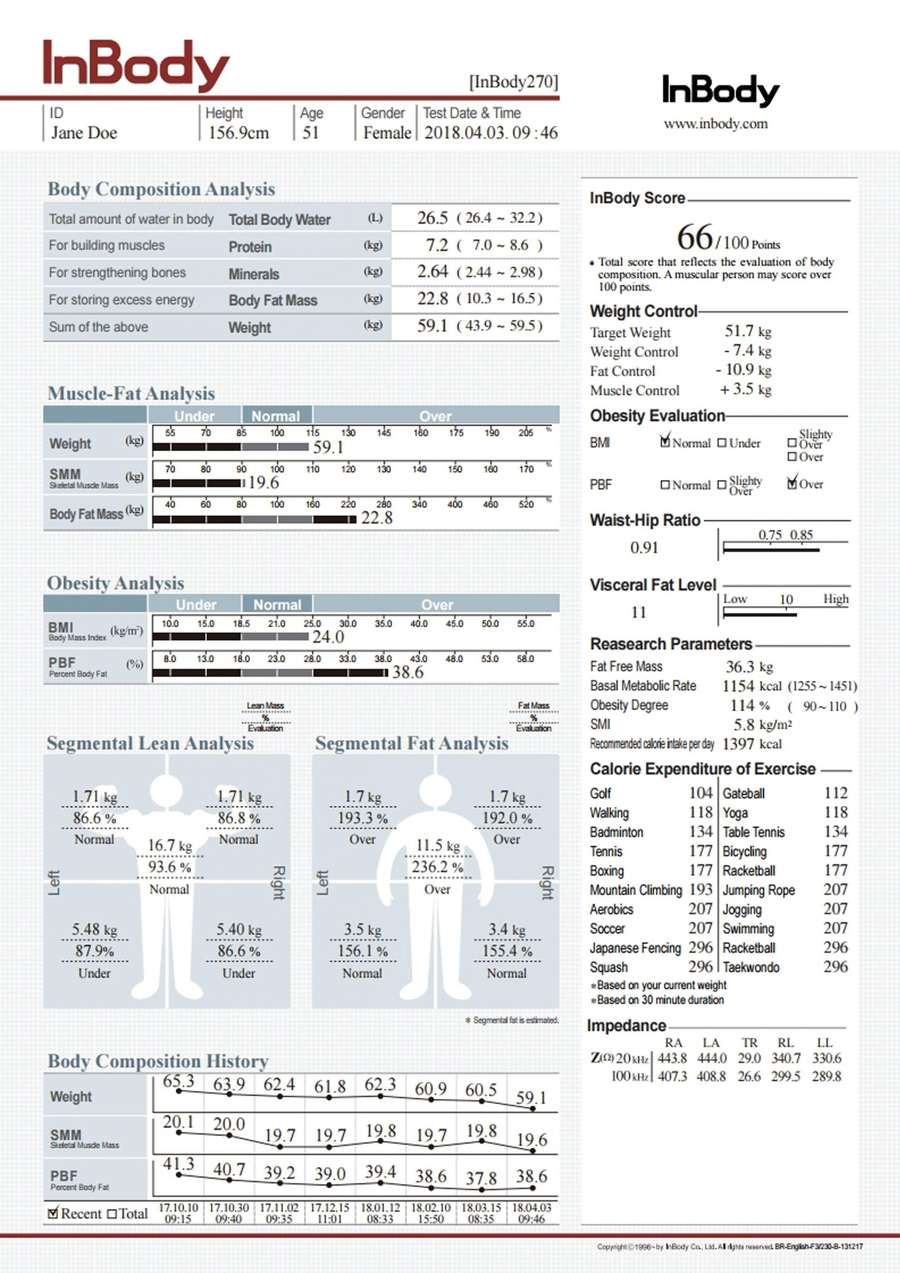
This is the part a bathroom scale simply cannot do: separate what changed. A body composition test — taken roughly one to two weeks after the festival season winds down, once you’re back to normal eating and activity — gives you a breakdown the scale never will.
An InBody assessment doesn’t just report your weight. It reports your Skeletal Muscle Mass (SMM), your Percent Body Fat (PBF), your Visceral Fat Area (VFA), and a breakdown of your body water into intracellular and extracellular compartments. Muscle mass doesn’t meaningfully change over a two-week festival stretch in either direction, so a stable SMM reading tells you the scale movement isn’t coming from there. Glycogen-bound water sits mainly in the intracellular compartment and tends to normalise within one to two weeks of resuming a regular eating pattern, so a retest timed after that window has largely let the water settle. What’s left — an elevated PBF or VFA reading that persists past normalisation — is a genuine signal, not noise from one heavy week of eating.
This is the practical value of retesting two weeks after Diwali against your last known InBody baseline: it tells you, in real numbers, how much of the “damage” was water doing exactly what water does, and how much was a real surplus that turned into fat tissue. Most people overestimate the fat portion and underestimate the fluid — but you can’t know which way you’re wrong without measuring it. It’s the same principle behind tracking body composition rather than scale weight during any transformation — the number that moves fastest is rarely the number that matters most.
The Post-Festival Reset: A Realistic 2-Week Plan
None of this calls for a crash detox, a juice cleanse, or punishing yourself for enjoying Diwali. The goal is a sensible return to baseline, not an overcorrection.
- Rehydrate normally, don’t overdo it. Return to your regular water intake (roughly 2.5–3 litres a day for most adults). This supports your kidneys in processing the extra sodium and sugar load from festival food — you don’t need to force-drink litres extra, just resume your normal habit consistently.
- Make protein the anchor of your first week back. Dal, paneer, eggs, curd, and lean meats at each meal help restore a normal eating rhythm and support the muscle tissue you already have, without needing a restrictive calorie cut.
- Resume training gradually, not aggressively. If you skipped the gym for a week or more, go back at 70–80% of your usual intensity for the first few sessions. Strength training helps re-establish your muscle-driven metabolic baseline — jumping straight back to your hardest session invites injury, not faster results.
- Fix sleep before you fix food. Late nights are often the least-discussed part of festival season, but disrupted sleep is directly linked to more snacking and lower activity. Getting back to a consistent sleep window is one of the highest-leverage resets available and costs nothing.
- Don’t chase the scale daily. Daily weight in the two weeks after a festival is dominated by water fluctuation and will mislead you either into false panic or false relief. If you’re tracking anything daily, track adherence to your normal eating pattern instead.
- Get retested 10–14 days after the season ends, not the day after. Testing immediately after Diwali or a wedding week captures a body still full of glycogen and fluid — it will overstate fat gain. Waiting roughly two weeks, once eating and sleep have normalised, gives you a reading that reflects your actual new baseline.
Frequently Asked Questions
How much weight do people actually gain during Diwali and festival season?
There’s no India-specific figure, but research on a comparable Western six-week holiday period found average gains well under half a kilogram for most people — far less than the commonly feared 5kg. The bigger issue isn’t the size of the gain; it’s that this weight tends not to get lost afterward, so it accumulates year after year.
Is my post-Diwali weight gain mostly water or fat?
For most people, a large share of an immediate post-festival scale jump is water bound to replenished glycogen stores, not fat — glycogen holds roughly 3–4 grams of water per gram stored. But a genuine calorie surplus from festival eating does also create real fat gain. The only way to know your personal ratio is a body composition test, ideally taken about two weeks after the festival period.
How long does festival-season water weight take to go away?
For most people, glycogen-linked water retention normalises within roughly one to two weeks of returning to regular eating and activity patterns. This is why testing or weighing yourself the day after Diwali or a wedding is misleading — you’re measuring a body still mid-refill, not your actual new baseline.
When should I get a body composition test after Diwali or wedding season?
Wait roughly 10–14 days after your last major festival event, once your eating pattern, hydration, and sleep have returned to normal. Testing sooner will still show elevated water weight, which can make fat gain look worse than it actually is — or mask a real gain behind the water spike.
Do I need to crash diet or detox after Diwali to undo the damage?
No. Extreme calorie cuts or juice cleanses after a festival period tend to cause additional muscle loss on top of any fat gained, which worsens body composition rather than fixing it. A gradual return to normal protein-forward eating, consistent sleep, and gradually resumed training is more effective and far more sustainable than any detox protocol.
Why does festival weight seem to come back every single year even after I “fix” it?
Research on holiday-season weight gain found that the weight gained during a roughly six-week festive window is often not actively lost afterward — people tend to simply stabilise at the new, slightly higher weight rather than reversing it. Over years, these small unaddressed increases compound. Testing and addressing the fat portion specifically, rather than assuming water weight will “sort itself out,” is what breaks that cycle.
Can I enjoy Diwali sweets and fried snacks without gaining fat?
Yes — the goal isn’t zero indulgence, it’s awareness and portion sense. Dieticians commonly suggest limiting sweets to one or two small pieces (roughly 30–60g, about 200–250 calories) per sitting rather than eliminating them, and staying reasonably consistent with training and sleep through the season. Enjoying the festival and understanding your actual body composition afterward are not in conflict — that’s the entire point of testing instead of guessing.
Know What Actually Happened — Don’t Guess
Diwali and India’s festival season are worth celebrating fully — the food, the late nights, the family gatherings are the point, not the problem. But once the season ends, guessing whether that extra kilo or two is water or fat leaves you with two bad options: panicking over water weight that was always going to leave, or ignoring genuine fat gain that quietly compounds into next year’s baseline. Neither serves you.
An InBody test, taken about two weeks after your last festival event, replaces that guesswork with an actual answer — your Skeletal Muscle Mass, Percent Body Fat, Visceral Fat Area, and water balance, measured in minutes. If you tested before the season began, the comparison is even more precise. If you didn’t, this is still the best possible baseline before the next round of celebrations arrives.
Book an InBody test near you and find out exactly what this festival season did to your body — not what the scale guessed.

Most trending articles
Hypothyroidism Symptoms in India: Signs Most People Miss
1 in 10 Indian adults has hypothyroidism, and it hides behind ordinary tiredness. The early signs most people blame on stress, age, or a new baby.

वज़न बढ़ाने के लिए क्या खाएं? सही डाइट प्लान (सिर्फ ज़्यादा खाना नहीं)
सिर्फ ज़्यादा खाने से मांसपेशी नहीं बनती, चर्बी बढ़ सकती है। सही कैलोरी सरप्लस, प्रोटीन और डाइट प्लान जो वज़न को सही तरीके से बढ़ाए — पूरी जानकारी हिंदी में।
भारत में प्रोटीन कितना ज़रूरी है? असली आंकड़े और सही फॉर्मूला
IMRB के एक सर्वे में लगभग 73% भारतीय आहार प्रोटीन-कम पाए गए। सही प्रोटीन टारगेट कैसे निकालें और किन फूड्स से पूरा करें — पूरी जानकारी हिंदी में।