
Health 11 min read
India’s Real Superfoods: The Body Composition Science Behind Ragi, Moringa, Amla, and 5 More Kitchen Staples
Quinoa and chia get the hype, but ragi, moong dal, moringa, and amla have the data. The real nutrient science behind 8 Indian superfoods, and how body composition testing shows if they're working.
Reading about body composition? Find an InBody test centre near you →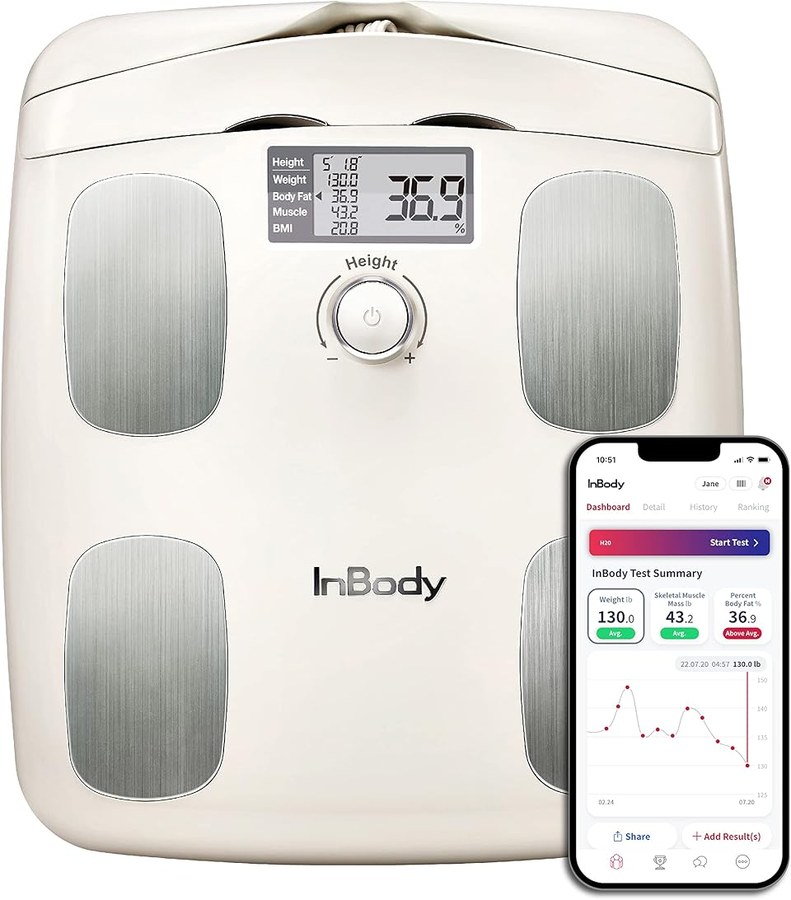
India’s Real Superfoods Have Been Sitting in an Ordinary Kitchen the Whole Time
Type “superfood” into any wellness feed and you’ll get quinoa, chia, kale, and matcha — imported, pricey, and mostly untested against the specific problem a large share of urban Indians actually have: too much visceral fat, not enough muscle. Meanwhile, genuine Indian superfoods that match or beat several of these imports on protein density, fibre, and micronutrient concentration have been sitting in ordinary Indian kitchens for generations — ragi, moong dal, curd, moringa, amla, bajra, flaxseed, paneer. Nobody had to import them or coin a marketing term. They were just dinner.
The problem was never availability. It’s that almost nothing has connected these foods to the specific outcomes people are chasing — fat loss, muscle building, and reducing the visceral fat driving so much of India’s metabolic disease burden. That’s what this guide does, food by food, using actual nutrient data and published research instead of Instagram claims.
What Actually Makes a Food “Functional” for Body Composition — Not Just Marketing
A food earns a place on this list for one of three verifiable reasons, not vibes:
- Protein density and amino acid completeness. Muscle protein synthesis is triggered by roughly 2.5–3g of leucine per meal. Foods that deliver complete or near-complete amino acid profiles at a reasonable calorie cost matter more than “high protein” claims that don’t specify quality.
- Fibre for satiety and glycaemic control. Soluble and insoluble fibre slow gastric emptying, blunt post-meal glucose spikes, and feed the short-chain-fatty-acid-producing gut bacteria linked to lower fat storage and better insulin sensitivity.
- Micronutrients that support the metabolic machinery. Iron for oxygen transport to working muscle, magnesium for insulin signalling, calcium for cellular metabolism, and antioxidant compounds that reduce the oxidative stress and low-grade inflammation that drive insulin resistance and visceral fat accumulation.
Here’s the part most “eat more superfoods” content skips: preparation changes the outcome as much as the ingredient does. A 2022 study in the Indian Journal of Medical Research tested the glycaemic index of traditional Indian preparations in 12–15 healthy volunteers using standardised international GI protocols. Finger millet mudde (stiff ragi porridge) scored 98.2 — high GI, roughly on par with white bread — while sorghum idli scored a moderate 61.3. The authors’ own conclusion: “merely being a whole grain-based food does not qualify for a lower GI.” The raw ingredient is only half the story; preparation decides whether it actually helps your body composition or just feels virtuous.
8 Indian Superfoods and the Body Composition Mechanism Behind Each
Below is the nutrient data for each food per 100g (raw/dry unless noted), the specific mechanism relevant to fat loss, muscle building, or visceral fat, and a practical way to use it without overdoing it.
| Food | Key Nutrients (per 100g) | Body Composition Mechanism | Practical Use |
|---|---|---|---|
| Ragi (Finger Millet) | Calcium 344mg, Fibre 11.2g, Protein 7.3g | Highest calcium of any cereal; fibre slows digestion — but form matters (see GI note above) | Use as flour for roti or dosa rather than thick porridge; 1–2 servings/day |
| Bajra (Pearl Millet) | Protein 11.6g, Fibre 8g, Magnesium 137mg, Iron 8mg | Magnesium supports insulin signalling and blood pressure regulation; protein+fibre combo aids satiety | Swap for rice or wheat roti 3–4x/week, pair with dal |
| Moong Dal (Green Gram) | Protein ~24g (raw/dry), Fibre ~7–8g | High protein at low fat; easiest legume to digest, so more of it actually gets eaten consistently | Sprout it or cook thin for a daily 20–25g protein base |
| Curd (Dahi) | Protein 3.5g (up to ~10g if strained), Calcium 121mg, live Lactobacillus | Protein plus live cultures support satiety hormones and lower the systemic inflammation linked to visceral fat | 150–200g fresh curd daily, eaten within 24–48 hours of setting |
| Moringa (Drumstick Leaves) | Protein 9.8g fresh / ~27g dried powder, Iron 4mg fresh, Vitamin C ~17mg | Rare complete plant protein (all 9 essential amino acids); anti-inflammatory flavonoids and isothiocyanates | 1–2 tsp dried leaf powder in dal/roti dough, or a cup of fresh sabzi 2–3x/week |
| Amla (Indian Gooseberry) | Vitamin C 300–900mg (uniquely heat-stable) | Reduces oxidative stress that worsens insulin resistance; supports endothelial function | 1 fresh amla, or 1 tbsp murabba/juice daily |
| Flaxseed (Alsi) | Fibre 27.3g, ALA omega-3, plant lignans (75–800x more than most foods) | Omega-3 and soluble fibre support satiety and blood sugar control; lignans add antioxidant activity | 1–2 tbsp freshly ground daily (whole seeds pass through undigested) |
| Paneer | Protein 18–20g, Calcium 480–520mg, Leucine ~1.5g | Complete protein with a meal-sized leucine dose that helps trigger muscle protein synthesis | 50–100g portions, balanced with leaner protein sources across the day |
Ragi: The Calcium-and-Fibre Grain, Used Correctly
Ragi’s real strength is calcium — at 344mg per 100g it beats every other Indian cereal by a wide margin, alongside 11.2g fibre, second only to whole wheat. Some research links adequate dietary calcium to more efficient fat cell metabolism, though that’s a supporting factor, not a fat-loss shortcut. The bigger practical lesson from the IJMR data above: ragi mudde behaves like a high-GI food, while ragi roti or dosa eaten with dal or curd produces a gentler blood sugar response. Same grain, different outcome, depending on preparation.
Bajra: Magnesium and Iron in a Low-Cost Grain
Bajra delivers 11.6g protein and 8g fibre per 100g — both higher than rice or wheat — plus 137mg magnesium, involved in insulin receptor function, and 8mg iron, relevant given how common iron-deficiency anaemia is among Indian women and how directly it caps muscle protein synthesis when uncorrected. Its glycaemic index sits in the low-to-medium range in most food-composition data, making it a sound rotation grain alongside rice and wheat rather than a full replacement.
Moong Dal: The Protein Source Most People Actually Finish Eating
Raw moong dal runs close to 24g protein per 100g — competitive with any vegetarian protein source — but its real edge is that it’s the gentlest legume on digestion. Chana and rajma deliver similar protein but cause enough bloating in many people that portions shrink over time. Moong dal doesn’t have that problem, which means it’s the dal most likely to actually get eaten at the volume needed to hit a daily protein target.
Curd (Dahi): Protein Plus a Satiety Signal
Fresh curd carries 3.5g protein per 100g (strained versions push closer to 10g) alongside live Lactobacillus cultures. Randomised controlled trials on fermented dairy include one showing probiotic-fortified yogurt raised fasting GLP-1 (a satiety hormone) in obese adults on a calorie-restricted diet, and another linking specific probiotic strains to reduced waist circumference and body fat percentage. The mechanism connecting gut bacteria to visceral fat is explored in more depth in our gut health and body fat guide; here, the takeaway is simpler: fresh curd, eaten daily, is doing real metabolic work, not just aiding digestion.
Moringa (Drumstick Leaves): A Genuinely Complete Plant Protein
Moringa leaf is unusual among plant foods because its protein contains all nine essential amino acids in meaningful proportions — fresh leaves carry 9.8g protein per 100g, dried leaf powder concentrates that to roughly 27g per 100g. A 12-week randomised controlled trial in overweight, hyperlipidaemic adults given 0.5g of moringa leaf powder capsules twice daily found significant reductions in body weight, BMI, and waist circumference versus placebo, alongside improved triglyceride and cholesterol markers. A 2025 meta-analysis of moringa RCTs found a consistent cardiometabolic signal, though effect sizes vary — reason to treat it as a genuine addition, not a guaranteed fix.
Amla (Indian Gooseberry): The Antioxidant Outlier
No commonly eaten Indian fruit comes close to amla’s vitamin C content — published values range from roughly 300 to 900mg per 100g, and unlike vitamin C in most foods, amla’s is unusually heat-stable due to its interaction with the fruit’s tannins, so cooking or drying it doesn’t destroy it the way it does in citrus. In a 12-week randomised, double-blind, placebo-controlled trial of 59 adults with metabolic syndrome, amla extract at 250mg or 500mg twice daily significantly improved endothelial function and reduced inflammatory (hs-CRP) and oxidative stress markers versus placebo, with the higher dose showing the larger effect. Oxidative stress is a known driver of insulin resistance, which is why this matters for fat storage, not just immunity.
Flaxseed (Alsi): Small Seed, Disproportionate Fibre and Omega-3
Flaxseed is roughly 27.3g fibre per 100g — soluble mucilage plus insoluble fibre — and it’s the richest common food source of ALA (plant-based omega-3) and the single largest dietary source of lignans, plant compounds with antioxidant activity. A six-month randomised trial giving patients 30g of milled flaxseed daily found significant reductions in systolic and diastolic blood pressure, and preliminary research suggests flaxseed lignans may modestly improve blood sugar control in adults with type 2 diabetes. The seed has to be ground — whole flaxseed largely passes through undigested, so the benefit is lost if you toss it whole into a smoothie.
Paneer: A Complete Protein With a Built-In Portion Ceiling
Full-fat paneer delivers roughly 18–20g protein per 100g, close to 500mg calcium, and around 1.5g of leucine — enough on its own to approach the per-meal threshold that triggers muscle protein synthesis. Because it’s also calorie-dense (around 300 kcal per 100g from fat), the practical mechanism here is less exotic than the others: it’s a complete, satiating protein that works best in 50–100g portions rather than as a base ingredient, balanced across the day with leaner sources like moong dal or curd.

How to Know If These Foods Are Actually Working
Eating better is not the same as measuring whether it worked. Someone who adds moong dal, curd, and moringa to their diet for eight weeks and loses 2kg has no way of knowing, from the scale alone, whether that was fat, muscle, or water — and the direction matters for whether the diet change should continue as-is or be adjusted.
This is where body composition testing earns its place over the bathroom scale. An InBody assessment gives you:
- Skeletal Muscle Mass (SMM) — whether the moong dal, paneer, and curd are actually building or preserving muscle, not just adding calories
- Percent Body Fat (PBF) — the real fat-loss number, separate from water weight or muscle change
- Visceral Fat Area (VFA) — the metric most directly tied to the fibre, magnesium, and anti-inflammatory compounds in this list; VFA often moves before overall weight does
- InBody Score — a single composite number to track the overall trend across retests
Dietary changes built around whole foods like these typically need 8–12 weeks before they show up clearly on a retest — the same rough timeline our vegetarian muscle-building guide uses for tracking lean mass gains, and our protein powder guide uses for evaluating a supplement. The pattern holds across all of them: change the input, retest at a fixed interval, and let the data — not the scale — tell you whether it worked.
Frequently Asked Questions
Which Indian superfood is best for visceral fat loss?
No single food does this alone. Amla and moringa both have RCT evidence for reducing inflammatory markers linked to visceral fat, while fibre-rich foods like flaxseed and moong dal support the glycaemic control that prevents further visceral fat storage. Combined into a consistent diet and paired with resistance training, they support fat loss more than any one “hero” ingredient does alone.
Can ragi help with weight loss, or is that a myth?
Ragi’s high fibre and calcium content support satiety and bone health, but a 2022 Indian Journal of Medical Research study found thick ragi porridge (mudde) has a high glycaemic index of 98.2 — similar to white bread. For weight management, ragi roti or dosa eaten with dal or vegetables is a better choice than large portions of stiff porridge.
How much moringa powder should I take daily?
Clinical trials showing measurable benefits for weight, cholesterol, and blood pressure used around 1g of moringa leaf powder daily (0.5g twice daily) over 12 weeks. There’s no evidence that more is better — 1–2 teaspoons of dried leaf powder stirred into dal or roti dough, taken consistently, matches what research has actually tested.
Is curd good for muscle building or just digestion?
Both. Fresh curd provides 3.5–10g of protein per 100g depending on how it’s strained, plus live probiotic cultures shown in clinical trials to raise satiety hormones and reduce waist circumference. It won’t replace dal or paneer as a primary protein source, but 150–200g daily meaningfully adds to your total protein and supports gut health simultaneously.
Can I get enough protein from Indian superfoods without supplements?
For many people, yes — moong dal, paneer, curd, and moringa combined can deliver 60–80g of protein a day with deliberate meal planning. Vegetarians training seriously for muscle gain and targeting 1.6g/kg bodyweight may still fall short from food alone; our protein powder guide covers how to bridge that specific gap.
How long before body composition testing shows results from diet changes?
Most people need 8–12 weeks of consistent dietary change before Skeletal Muscle Mass, Percent Body Fat, and Visceral Fat Area shift enough to be clearly visible on an InBody retest. Testing sooner than that usually just captures water-weight noise rather than genuine fat or muscle change.
Are amla supplements as effective as eating fresh amla?
The clinical trial showing improved endothelial function and reduced inflammation in metabolic syndrome patients used a standardised amla extract at 250–500mg twice daily — a concentrated dose that’s difficult to match by eating fresh fruit alone. Fresh amla still delivers exceptional vitamin C and is the better daily habit; extract or murabba can supplement on days fresh fruit isn’t available.

Test the Diet Change, Don’t Just Trust It
Ragi, moong dal, curd, moringa, amla, bajra, flaxseed, and paneer are not marketing inventions — every mechanism above traces back to real nutrient data or published clinical research, not an influencer’s claim. But “eating better” and “measurably improving your body composition” are two different things, and the only way to know you’ve closed that gap is to test it.
Book an InBody test to get your baseline Skeletal Muscle Mass, Percent Body Fat, and Visceral Fat Area — then retest in 8–12 weeks after putting these foods to work in your own kitchen. That’s the only number that tells you whether it’s actually working.

Most trending articles
Hypothyroidism Symptoms in India: Signs Most People Miss
1 in 10 Indian adults has hypothyroidism, and it hides behind ordinary tiredness. The early signs most people blame on stress, age, or a new baby.
वज़न बढ़ाने के लिए क्या खाएं? सही डाइट प्लान (सिर्फ ज़्यादा खाना नहीं)
सिर्फ ज़्यादा खाने से मांसपेशी नहीं बनती, चर्बी बढ़ सकती है। सही कैलोरी सरप्लस, प्रोटीन और डाइट प्लान जो वज़न को सही तरीके से बढ़ाए — पूरी जानकारी हिंदी में।
भारत में प्रोटीन कितना ज़रूरी है? असली आंकड़े और सही फॉर्मूला
IMRB के एक सर्वे में लगभग 73% भारतीय आहार प्रोटीन-कम पाए गए। सही प्रोटीन टारगेट कैसे निकालें और किन फूड्स से पूरा करें — पूरी जानकारी हिंदी में।