
Body Composition 6 min read
BMI Machine for Gym in India: What to Buy and What to Skip
BMI needs no machine at all. What Indian gym owners actually need is a body composition analyser — the spec that matters, and the one that wrecks trust.
Reading about body composition? Find an InBody test centre near you →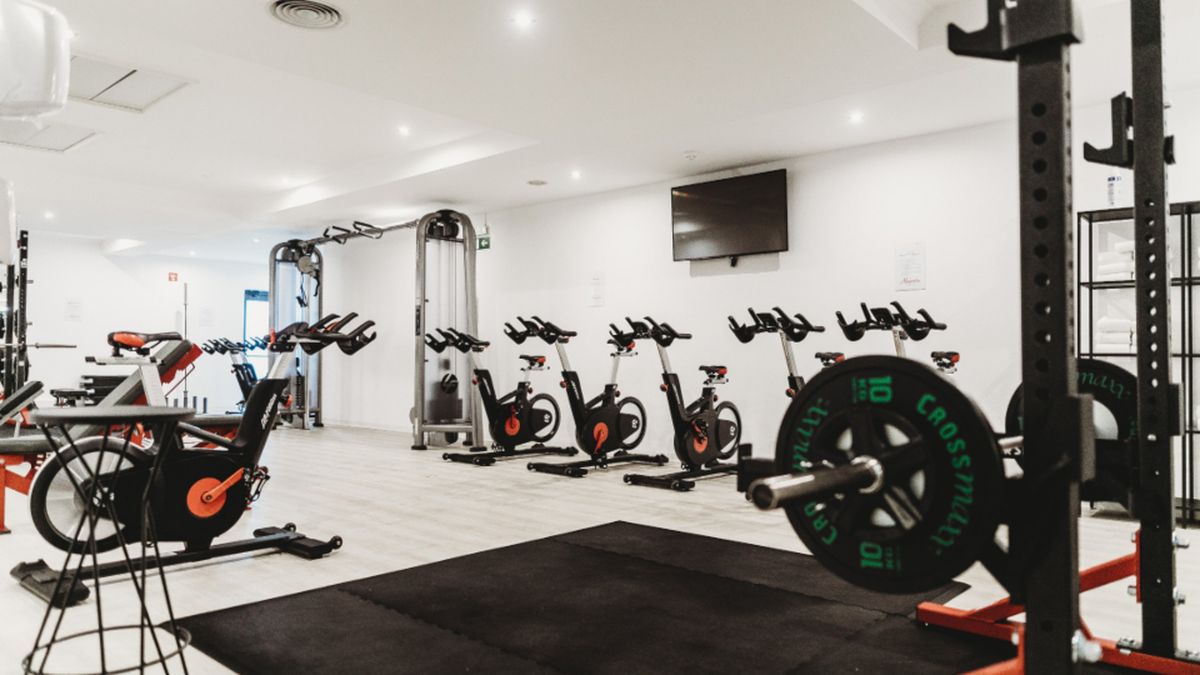
Buying a “BMI Machine” for Your Gym? Start by Fixing the Name
Every gym owner in India eventually searches for a BMI machine for gym use. It is the phrase the market runs on, and it is the phrase that gets people sold the wrong equipment.
BMI is body weight divided by height squared. You do not need a machine for it. Any scale, a measuring tape and a calculator produce the same number. What gym owners are actually shopping for is a body composition analyser — a device that shows a member how much of their weight is muscle, how much is fat, and where each sits. That is the device members will queue for, and the one that changes retention.
This guide covers what to look for, what the machine is genuinely worth to a gym commercially, and the questions to ask before you accept a quote.
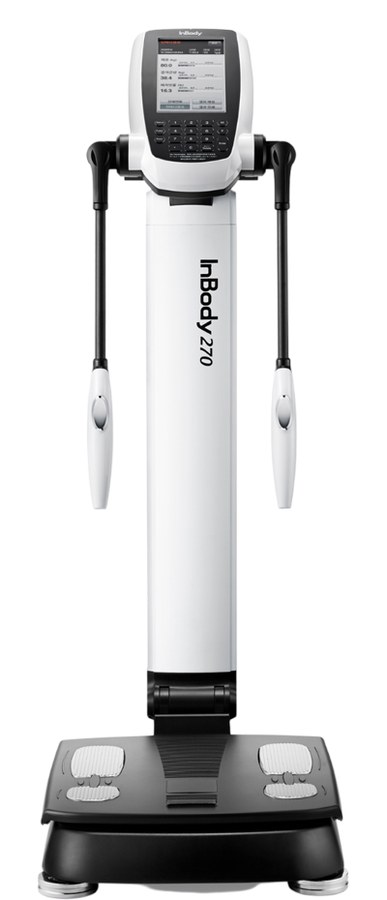
Why a Body Composition Analyser Sells Memberships That a Scale Cannot
The single most common reason a member quits is that the scale stops moving. They train for eight weeks, the weight is unchanged, and they conclude the gym is not working.
What frequently happened is that they gained two kilograms of muscle and lost two kilograms of fat. Body weight identical. Body composition transformed. Without a device that can show this, you have no way to prove it — and the member walks.
That is the commercial case in one paragraph. A body composition analyser converts an invisible result into a printed one. It gives your trainers an objective baseline to program against, a reason for the member to come back in six weeks, and evidence that the programme is working before the mirror shows it.
Secondary benefits that gyms consistently report:
- A structured re-test schedule creates a natural touchpoint for personal training upsells.
- Segmental muscle data gives trainers something specific to correct — a weak left leg, an underdeveloped trunk — rather than generic programming.
- A body composition assessment is a genuine differentiator in a market where most gyms compete on price and equipment brand alone.
What to Look For in a Gym Body Composition Analyser
Gyms have different requirements from hospitals. You need speed, durability, a result sheet a non-clinical member can read, and consistency across repeat tests. You do not need six-frequency research outputs.
| Requirement | What to specify | Why it matters in a gym |
|---|---|---|
| Test speed | Around 60 seconds | Peak-hour throughput. A four-minute test creates a queue nobody joins twice. |
| Electrodes | Tetrapolar 8-point tactile | Fixes the measurement start point at wrist and ankle, so a re-test six weeks later is comparable |
| Segmental analysis | All 5 segments | Left-right imbalance is what trainers can actually act on |
| Empirical estimation | None | If the device infers results from age and sex, two different members get near-identical reports and the credibility collapses |
| Member data storage | Stored by member ID | Trend tracking across visits is the entire retention mechanism |
| Result sheet | Member-readable, printed | Members keep it, photograph it, and show it to people. That is free marketing. |
| Standing footprint | Self-service capable | Determines whether it needs staff supervision for every test |
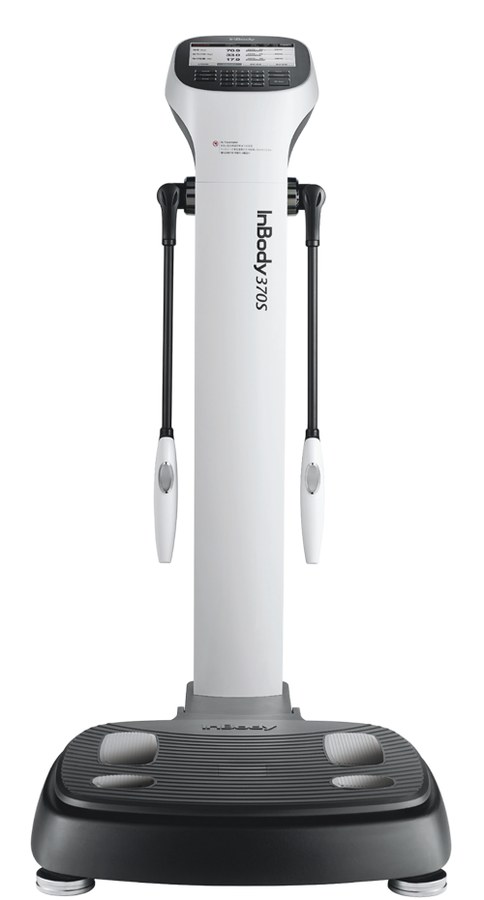
In the InBody range, the professional models that typically suit gyms and fitness studios are the 270S and 370S class — three-frequency devices with 8-point tactile electrodes, segmental lean analysis, visceral fat and an InBody Score that members immediately understand. The six-frequency clinical models exist for hospitals and research, and a gym rarely needs Phase Angle data.
The Specification That Separates Real Devices From Novelty Ones
If you check only one thing, check this: does the device apply empirical estimation?
Many low-cost analysers do not fully measure your body. They measure a little, then apply statistical corrections based on your age, sex or ethnicity, and present the blended result as a measurement. The practical consequence in a gym is severe. Two members of the same age, sex and rough build receive nearly identical reports regardless of their actual training history. Members notice. Trainers stop trusting it. The machine becomes an expensive coat rack.
InBody devices calculate results directly from measured impedance per segment, without age, sex or ethnicity corrections. This is the difference between a device that measures and a device that estimates, and it is worth more than any other feature on the spec sheet. The technical detail is in DSM-BIA vs single-frequency BIA.
Where to Put It, and How to Actually Use It
Gyms that get value from a body composition analyser almost always do these four things. Gyms that do not, generally do none of them.
- Test at onboarding, without exception. Every new member gets a baseline in week one. No baseline means no proof of progress later.
- Re-test on a fixed schedule. Six to eight weeks is the sensible interval — long enough for measurable change in skeletal muscle mass, short enough to keep the member engaged.
- Standardise test conditions. Similar time of day, before training rather than after, not immediately after a heavy meal or a large volume of water. Hydration state moves BIA results, and inconsistent conditions produce noise that looks like change.
- Train your floor staff to read the sheet. A printout nobody can explain is worse than no printout. Your trainers need to be able to walk a member through skeletal muscle mass, body fat percentage, visceral fat and segmental balance in two minutes.
Point four is where most installations fail. Our guide to reading an InBody results sheet is a reasonable starting document for staff training, and the InBody Score explained covers the single number members ask about first.
What It Costs, and What Determines the Number
There is no single price for a gym body composition analyser, and any supplier who quotes one before asking about your setup is not quoting, they are guessing. The number moves with model tier, number of measurement frequencies, whether clinical outputs are required, service and calibration terms, quantity, and whether you are a single studio or a multi-branch chain buying several units.
A few honest points on evaluating quotes:
- Ask what the service and calibration plan covers, and for how long. A body composition analyser that drifts out of calibration produces data your trainers will rightly stop trusting.
- Ask whether the device is sold with authorised warranty support in India. InBody professional analysers are sold directly through InBody India rather than Amazon or third-party resellers, which is what keeps warranty and calibration intact.
- Ask about multi-unit and institutional terms if you run more than one branch. Pricing genuinely differs.
- Compare total cost over five years, not sticker price. Consumables, service, calibration and support dominate the difference between a cheap device and a durable one.
InBody India provides tailored quotes within 24 hours. The cost factors are broken down further in our body composition analyser price guide, and the commercial return question is examined in body composition testing ROI for Indian gyms.
Get a Quote Built Around Your Facility
The right analyser for a 200-member studio is not the right analyser for a six-branch chain or a hospital OPD. The specification should follow the setting, not the other way round.
Request a tailored quote for your gym at inbody.in/inbody-price.php, or get in touch through our enquiry form to discuss model options for your facility. Related reading: the complete BCA machine guide, professional vs home analysers, and why BMI fails as a fitness metric.

Most trending articles
BCA Test Full Form and Meaning: What It Actually Measures
BCA stands for Body Composition Analysis. What the test measures, how it differs from BMI and DEXA, and why it matters more for Indian bodies.
Corporate Wellness Body Composition Screening in India
BMI-based screening misses the risk in Indian workforces entirely. How to run body composition screening at scale, handle privacy, and use the aggregate data.
Body Composition Testing ROI for Indian Gyms: The Real Case
Members quit because the scale stops moving. Where the return actually comes from, the 5 operational failures that kill it, and how to measure it honestly.