
Body Composition 5 min read
Body Scanner Machine: The 4 Types and What Each Measures
Body scanner can mean four very different machines. Which one measures muscle and fat, which only maps your outline, and which involves radiation.
Reading about body composition? Find an InBody test centre near you →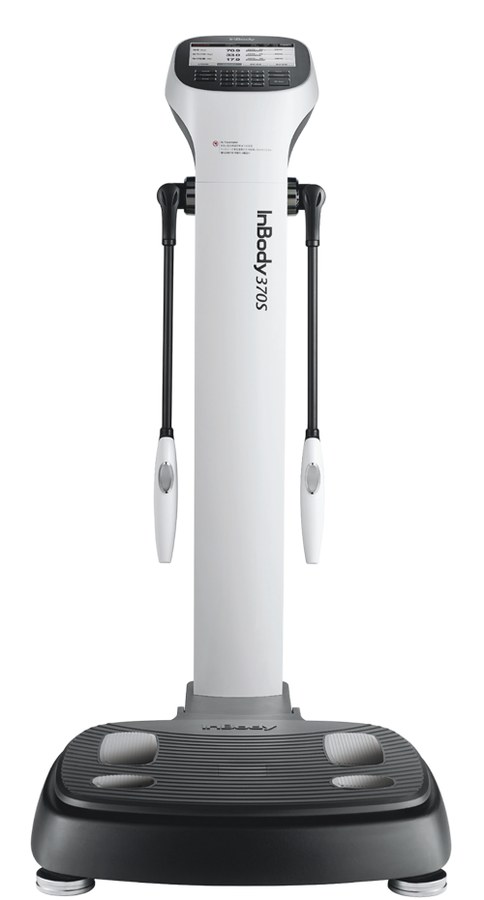
“Body Scanner Machine” Means Four Different Things. Here Is How to Tell Them Apart.
Search for a body scanner machine and you will get results spanning airport security equipment, 3D body-shape scanners, medical imaging systems and body composition analysers. They share a name and almost nothing else.
If what you actually want to know is how much of my body is muscle, how much is fat, and where — you are looking for a body composition analyser, and the rest of the results are noise. This guide sorts the categories, then explains what a body composition scan measures and what it cannot.
The Four Machines People Mean
| Type | What it measures | Where you find it | Radiation |
|---|---|---|---|
| Body composition analyser (BIA) | Muscle mass, fat mass, body water, visceral fat, segment by segment | Gyms, clinics, hospitals, wellness centres | None |
| DEXA scanner | Fat mass, lean mass and bone mineral density | Hospitals, diagnostic centres | Low-dose X-ray |
| 3D body scanner | External shape, circumference, posture — not internal tissue | Some gyms, tailoring, apparel | None |
| Medical imaging (MRI, CT) | Internal organs and structures for diagnosis | Radiology departments | CT yes; MRI no |
The important distinction is between what is inside and what is outside. A 3D body scanner maps your outline extremely precisely and tells you nothing about what that outline is made of. Two people with identical measured circumferences can have very different muscle and fat composition. A body composition analyser answers the inside question; a 3D scanner answers the outside one.
What a Body Composition Scan Actually Measures
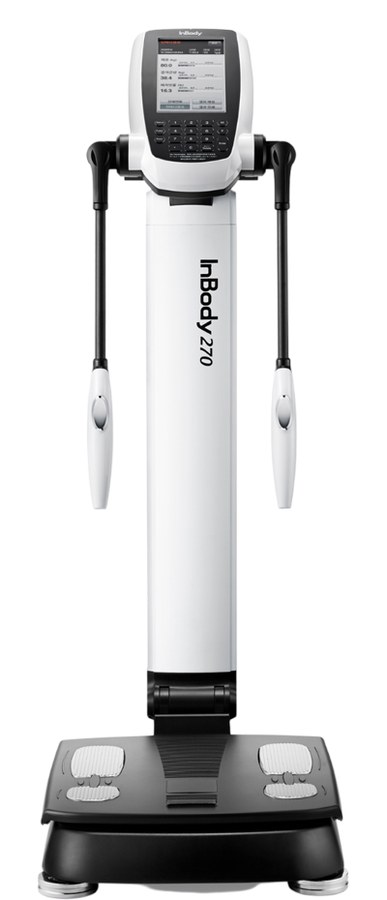
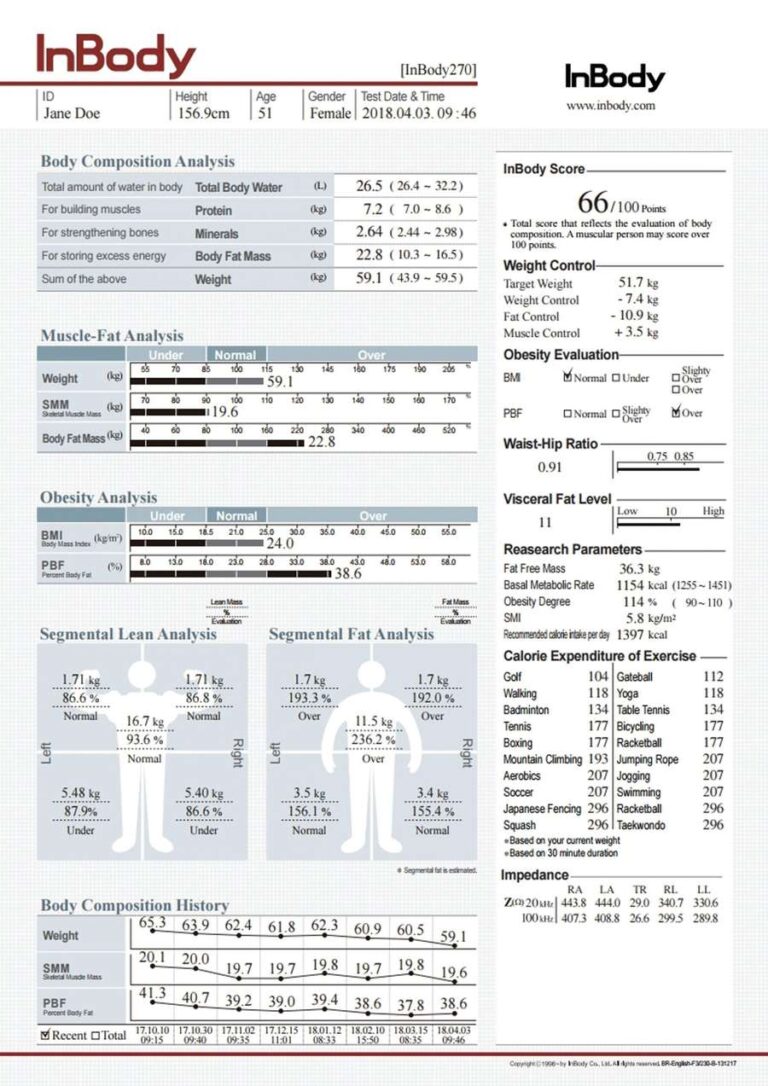
A professional body composition scan takes about 60 seconds. You stand on the device holding hand electrodes, fully clothed, and a small painless current passes through your body. Muscle holds a lot of water and conducts easily; fat resists. From the resistance measured in each body segment, the device calculates:
- Skeletal Muscle Mass — the trainable muscle attached to your bones, in kilograms. This is the number that matters most and the one a weighing scale cannot see.
- Body Fat Mass and Percent Body Fat — total fat in kg and as a proportion of body weight.
- Visceral Fat — fat around the abdominal organs, reported as a level or as an area in cm² on clinical models. Above 100 cm² is the clinical threshold for elevated metabolic risk.
- Total Body Water — usually split into intracellular and extracellular compartments.
- Segmental Lean Analysis — muscle measured separately in each arm, each leg and the trunk.
- Basal Metabolic Rate — estimated energy expenditure at rest.
The segmental breakdown is the part people underestimate. A single whole-body muscle figure can look entirely normal while hiding a significantly weaker left leg after an old injury, or a trunk deficit that predicts back problems. Whole-body averages conceal exactly the asymmetries worth correcting.
What It Cannot Do
Being clear about limits is what makes the rest of the data trustworthy.
- It does not measure bone mineral density. If you need to assess osteoporosis risk, you need DEXA. No BIA device substitutes for that.
- It is not a diagnostic imaging tool. It cannot find a tumour, a fracture or an organ abnormality. That is what MRI and CT are for.
- It is affected by hydration state. Test after a large volume of water, a heavy meal or intense exercise and the numbers shift. This is a protocol issue, not a device flaw — consistent conditions solve it.
- It does not diagnose disease. It measures body composition. A clinician interprets what that means for a specific patient.
Why This Matters Particularly in India
Indian bodies carry a well-documented tendency toward higher body fat and lower muscle mass at any given body weight — the pattern often described as the thin-fat phenotype. It is why ICMR and WHO Asia-Pacific guidance sets lower BMI thresholds for Indians, with overweight beginning at 23 and obesity at 25, rather than the Western 25 and 30.
The practical result is that a large number of Indians sit at a “normal” weight while carrying a genuinely elevated body fat percentage and visceral fat load. A scale cannot see this. BMI cannot see it. A body composition scan is specifically the instrument that can, which is why it has become standard in Indian clinical and wellness practice rather than a fitness novelty. InBody devices are in use across more than 1,500 Indian hospitals including AIIMS Delhi, PGI Chandigarh and Tata Memorial Mumbai.
How to Read Your Scan Without Getting Lost
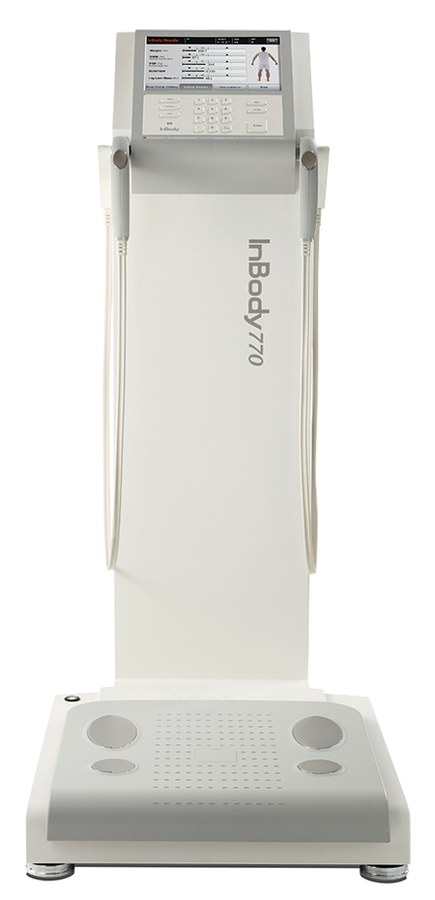
A first result sheet contains a lot of numbers. Four of them carry most of the meaning.
- Skeletal Muscle Mass — your baseline. Track whether it goes up, stays flat or falls across repeat tests. Falling SMM while body weight is stable is the pattern worth acting on.
- Percent Body Fat — more informative than weight, and far more informative than BMI.
- Visceral Fat — the metabolic risk marker. It can be elevated even at normal body weight, which is precisely the Indian pattern.
- Segmental balance — look for asymmetry between left and right, and whether trunk muscle is proportionate.
A single scan gives you a snapshot. The value compounds with repeat tests under consistent conditions, which is where trends become visible. Our full walkthrough is at how to read an InBody results sheet, and the InBody Score explained covers the summary number most people look at first.
Getting Scanned
Body composition testing is widely available in India through gyms, wellness centres, diagnostic labs, clinics and hospital OPDs. What you pay varies considerably — many gyms include it with membership, diagnostic chains often bundle it into health packages, and standalone testing at a clinic is priced separately. Because it varies by centre and city, the practical step is to check with a specific centre near you rather than rely on a national figure.
Before your scan, a few conditions make the result more reliable: test before training rather than after, avoid a heavy meal or a large volume of water immediately beforehand, and try to book a similar time of day for any repeat test. More detail in how to prepare for a body composition test.
Find Out What Your Weight Is Made Of
Your body weight is one number hiding several. A body composition scan separates them in about a minute.
Book an InBody body composition test at inbody.in/inbody-test.php, or find a testing centre near you at inbody.in/locations. Related reading: the complete BCA machine guide, InBody vs DEXA vs calipers, and how bioelectrical impedance analysis works.

Most trending articles
वज़न बढ़ाने के लिए क्या खाएं? सही डाइट प्लान (सिर्फ ज़्यादा खाना नहीं)
सिर्फ ज़्यादा खाने से मांसपेशी नहीं बनती, चर्बी बढ़ सकती है। सही कैलोरी सरप्लस, प्रोटीन और डाइट प्लान जो वज़न को सही तरीके से बढ़ाए — पूरी जानकारी हिंदी में।
भारत में प्रोटीन कितना ज़रूरी है? असली आंकड़े और सही फॉर्मूला
IMRB के एक सर्वे में लगभग 73% भारतीय आहार प्रोटीन-कम पाए गए। सही प्रोटीन टारगेट कैसे निकालें और किन फूड्स से पूरा करें — पूरी जानकारी हिंदी में।
Metabolic Age क्या होती है? आपकी उम्र से ज़्यादा है या कम?
आपकी असली उम्र 34 है पर शरीर 50 साल जैसा व्यवहार कर सकता है। Metabolic age क्या है, मांसपेशी घटने के जोखिम क्या हैं और इसे कैसे घटाएं — पूरी जानकारी।