
Body Composition 5 min read
Is a Body Composition Test Worth It? An Honest Answer
Worth it if you test twice and act on it. Close to useless if you test once. The honest case for and against, and who gets the most out of it.
Reading about body composition? Find an InBody test centre near you →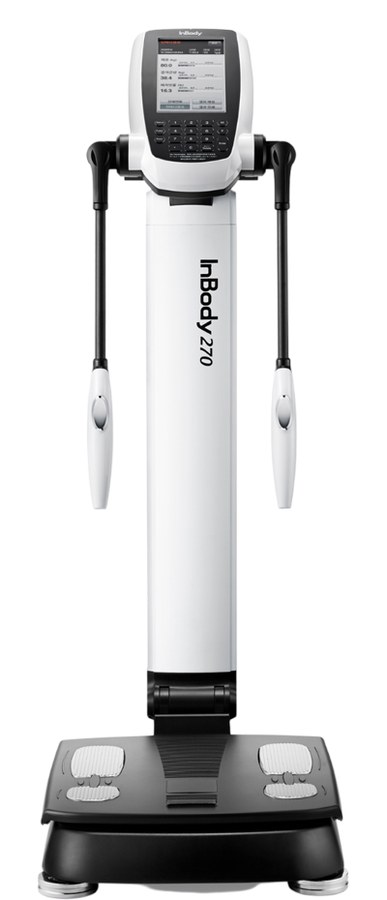
Is a Body Composition Test Actually Worth It?
Fair question, and it deserves an honest answer rather than a sales one. A body composition test is worth doing if you intend to act on the result or test again later. It is close to worthless if you plan to look at the number once, feel briefly interested, and file the printout away.
That sounds glib. It is not — it is the single variable that determines whether the test changes anything. Here is the honest case for and against, and how to tell which side you fall on.
The Case For: What a Scale Genuinely Cannot Tell You
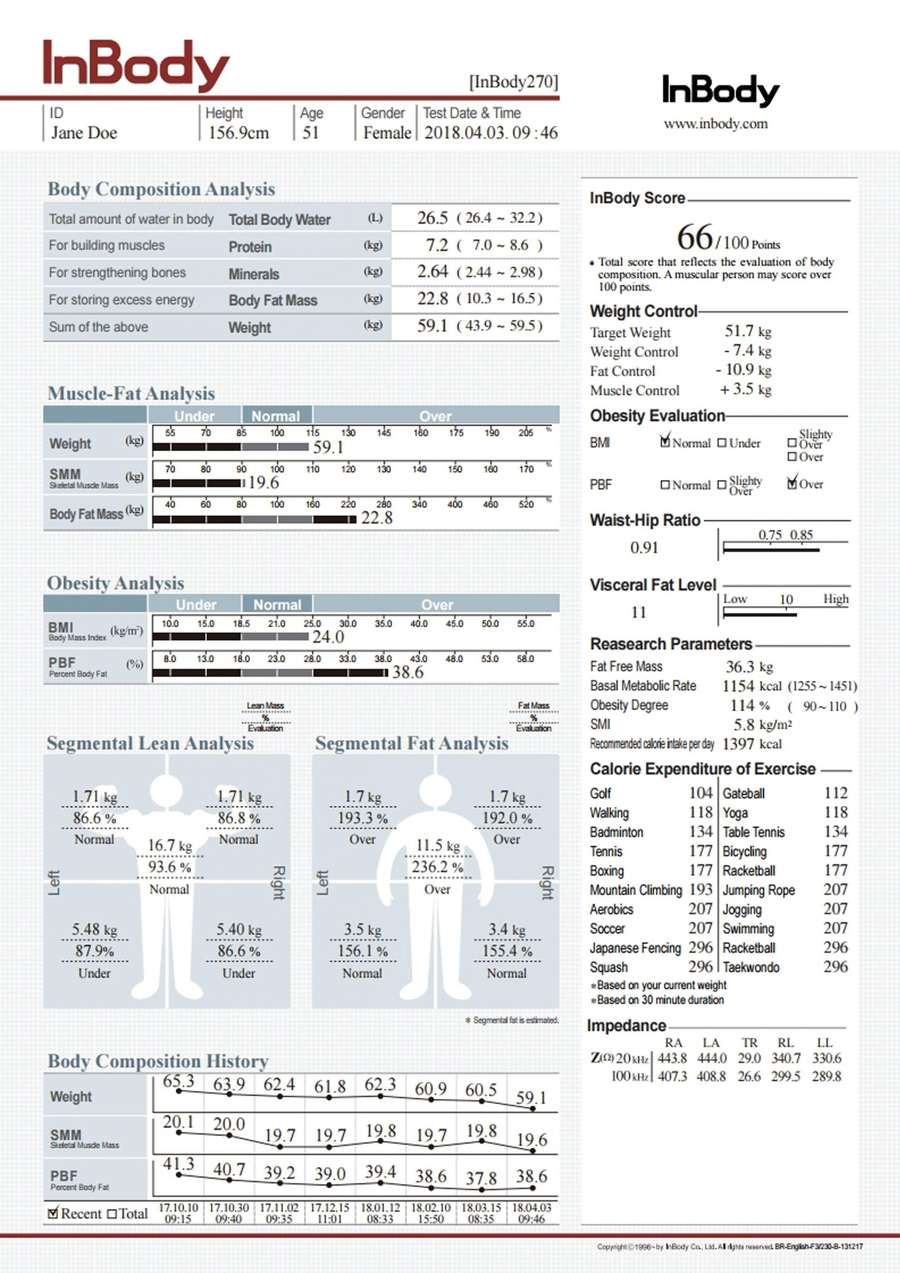
Your body weight is one number concealing several. Two people at 70 kg can differ by 10 kg of muscle. The same person at 70 kg in January and 70 kg in June can have quietly traded three kilograms of muscle for three kilograms of fat.
A weighing scale reports no change in that second scenario. It is the most common pattern in Indian adults over 35, and it is completely invisible without measurement. Skeletal muscle mass declines gradually with age unless actively defended, while fat accumulates in its place. Body weight can hold perfectly steady throughout.
Three specific things a body composition test shows that nothing else in routine use does:
- Whether weight loss is fat loss. Aggressive dieting without adequate protein and resistance training commonly costs muscle alongside fat. The scale rewards you. Your metabolic rate does not. This is covered further in weight loss vs fat loss.
- Visceral fat. The metabolically active fat around your abdominal organs, associated with insulin resistance and cardiovascular risk. It can be elevated at an entirely normal body weight — which is specifically the Indian pattern.
- Where your muscle actually is. Segmental analysis reveals a weaker leg after an old injury or a trunk deficit that whole-body numbers average away.
Why This Matters More for Indians Than the Global Averages Suggest
Indian bodies carry a well-documented tendency toward higher body fat and lower skeletal muscle at any given body weight, a pattern often described as the thin-fat phenotype. It is why ICMR and WHO Asia-Pacific guidance sets lower BMI thresholds for Indians — overweight from 23 and obesity from 25, against the Western 25 and 30.
The practical consequence is a large population of Indian adults who are reassured by both their weight and their BMI while carrying genuinely elevated body fat and visceral fat. For this group specifically, the difference between “my BMI is fine” and an actual measurement is not academic. It is the difference between finding a metabolic trajectory early and finding it after a diagnosis.
The Honest Case Against
Several situations where a body composition test is not the right spend:
- You will only test once. A single scan is a snapshot. Most of the value is in direction, which needs at least two tests six to eight weeks apart.
- You are already tracking effectively and progressing. If your training and nutrition are working and measurable by other means, the scan confirms rather than reveals.
- You want a diagnosis. It measures body composition. It does not detect disease, does not measure bone density, and does not replace blood work or clinical assessment.
- You will treat one reading as absolute truth. Bioelectrical impedance responds to hydration. A reading taken after a heavy meal or a hard session is not comparable to one taken rested. Inconsistent testing produces numbers that look like change but are water.
- You are prone to anxious over-measurement. Weekly testing captures noise, not progress, and for some people it becomes counterproductive.
None of these are reasons the technology is unsound. They are reasons the test may not suit your situation right now.
Who Gets the Most Out of It
| If you are… | What the test typically reveals |
|---|---|
| Training consistently with no visible change | Whether muscle is being gained while fat is lost at stable body weight |
| Losing weight on a diet | Whether the loss is fat or partly muscle — the difference determines whether it lasts |
| Over 35 with a stable weight | Gradual muscle decline masked by equivalent fat gain |
| Normal BMI but a family history of diabetes | Visceral fat elevated despite a reassuring weight |
| Recovering from injury or illness | Segmental muscle asymmetry and recovery progress |
| Post-partum or peri-menopausal | Composition changes that weight alone conceals |
| Managing a chronic condition under clinical care | Nutritional status and fluid balance markers your clinician can use |
What Makes the Difference Between Useful and Useless
Four things, none of them about the machine:
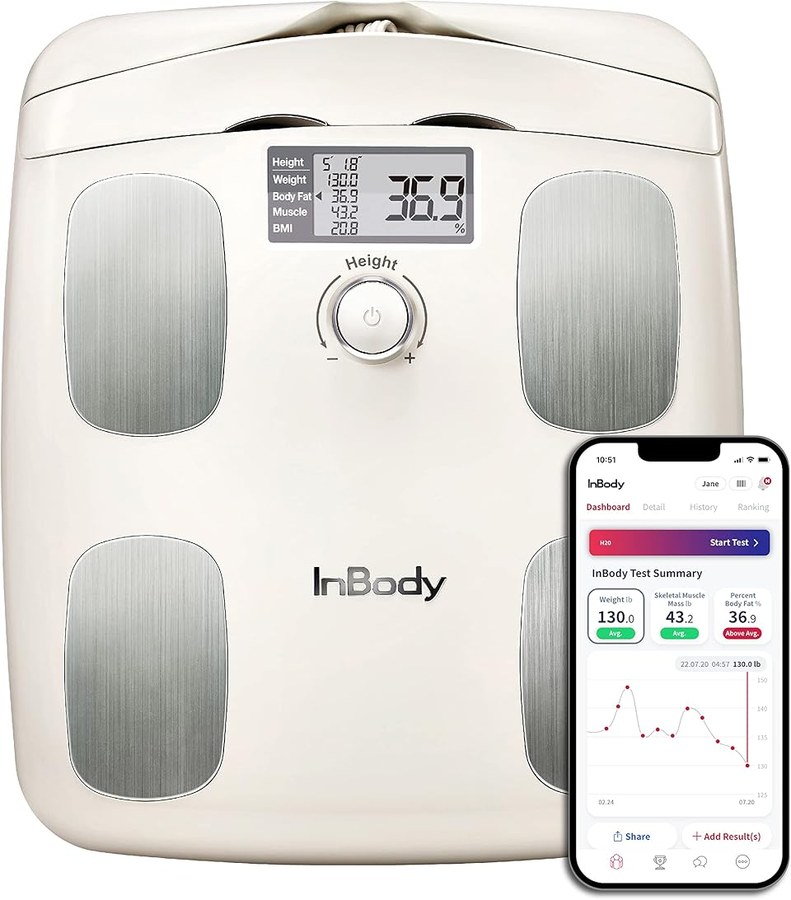
- Test more than once. Six to eight weeks apart. One test is a data point; three are a trend.
- Standardise conditions. Similar time of day, before training rather than after, not straight after a heavy meal or a litre of water. Consistency matters more than perfection.
- Get the report explained. A sheet of numbers nobody walks you through gets forgotten. Ask the centre whether interpretation is included before you book.
- Decide in advance what you would change. If skeletal muscle mass is low, are you prepared to add resistance training and protein? If not, the measurement will not do it for you.
Point four is the one that separates people who found the test valuable from people who found it interesting. The scan produces information. Information only pays off when a decision follows it.
What It Costs, Realistically
Body composition testing in India is priced by whichever facility owns the analyser, so there is no single national figure. It is frequently included with gym membership, bundled into diagnostic health packages, or charged as a standalone service at clinics and hospital OPDs. The practical step is to ask a specific centre near you — you can find testing locations at inbody.in/locations.
Against that cost, weigh what the alternative information costs you. A year of training built on a scale reading that concealed muscle loss is a considerably more expensive mistake than a scan. More detail in what determines InBody test cost in India.
If You Are Going to Test, Test Twice
The honest recommendation: book a baseline, standardise the conditions, and book the second test six to eight weeks later before you leave the first appointment. One scan is trivia. Two scans are information.
Book an InBody body composition test at inbody.in/inbody-test.php, or find a centre near you at inbody.in/locations. Related reading: how to read your results sheet, how to choose a testing centre, and weight loss vs fat loss.

Most trending articles
BCA Test Full Form and Meaning: What It Actually Measures
BCA stands for Body Composition Analysis. What the test measures, how it differs from BMI and DEXA, and why it matters more for Indian bodies.
Corporate Wellness Body Composition Screening in India
BMI-based screening misses the risk in Indian workforces entirely. How to run body composition screening at scale, handle privacy, and use the aggregate data.
Body Composition Testing ROI for Indian Gyms: The Real Case
Members quit because the scale stops moving. Where the return actually comes from, the 5 operational failures that kill it, and how to measure it honestly.