
Health 10 min read
Anemia and Body Composition: Why 57% of Indian Women Struggle to Build Muscle Without Knowing Why
57% of Indian women are anaemic (NFHS-5). Discover how iron-deficiency anemia quietly stalls muscle growth and drains energy — and when to get tested.
Reading about body composition? Find an InBody test centre near you →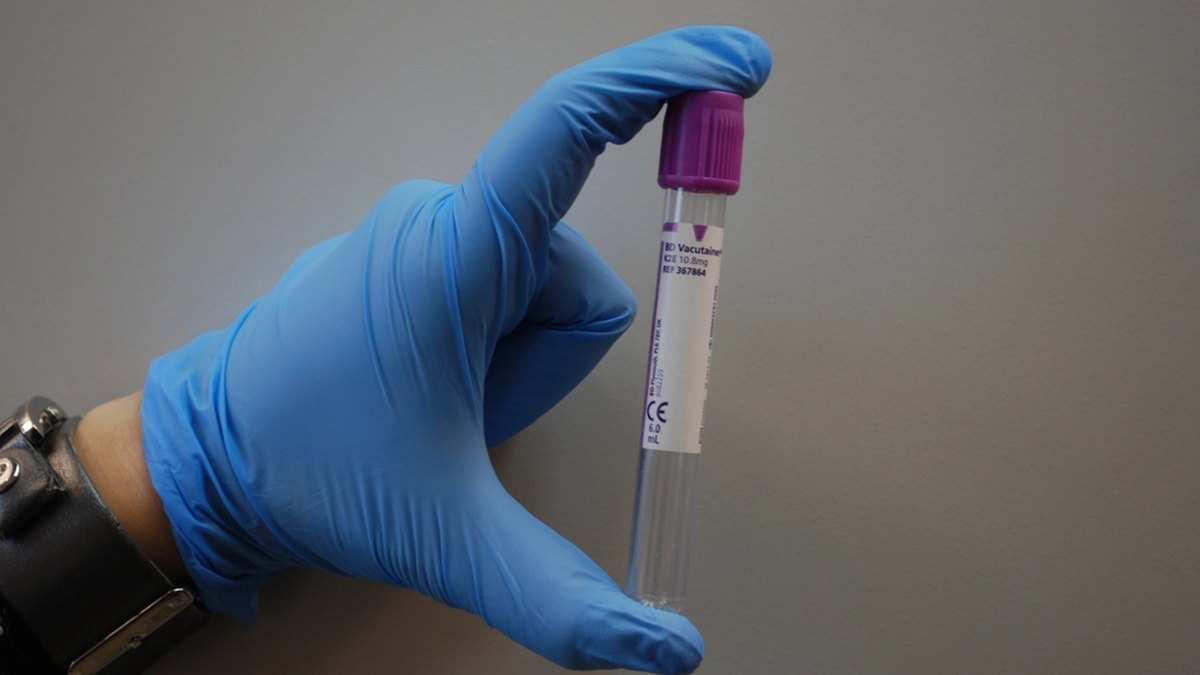
Anemia and Body Composition: Why 57% of Indian Women Struggle to Build Muscle Without Knowing Why
You train consistently. You eat what looks like enough protein. And yet your energy crashes by 4 PM, your strength plateaus for months, and your skeletal muscle mass on repeated body composition tests refuses to move — or quietly declines. Most people blame their program, their discipline, or their metabolism. Very few think to check their iron.
They should. Iron-deficiency anemia is the most common nutritional deficiency in India, and according to the National Family Health Survey-5 (NFHS-5, 2019–21), 57% of Indian women aged 15–49 are anaemic — up from 53% in the previous round. This is not a fringe issue. It is a population-level condition hiding inside gyms, offices, and clinics across the country, quietly undermining the muscle-building and fat-loss efforts people are already working hard at.
This article explains what iron-deficiency anemia does to muscle function and energy metabolism, why India carries such an outsized share of the global burden, and how a stalled or declining body composition report can be one of the first signals that it’s time for a blood test — not just harder training.
What Iron-Deficiency Anemia Actually Does to Your Body
Iron-deficiency anemia is not simply “low energy.” It is a measurable disruption to two systems your muscles depend on every second: oxygen delivery and cellular energy production.
Oxygen Transport Takes the First Hit
Iron is the functional core of hemoglobin, the protein inside red blood cells that carries oxygen from your lungs to every working tissue, including skeletal muscle. When iron stores fall, hemoglobin production falls with them, and less oxygen reaches your muscles per heartbeat. Iron also builds myoglobin, which stores oxygen inside the muscle cell itself for use during contraction. Research on iron status and exercise capacity consistently finds that maximal oxygen uptake (VO2max) tracks with the degree of anemia — athletes with confirmed iron deficiency show measurably lower VO2 peak values, and endurance performance drops by an estimated 3–4% in controlled studies before iron correction.
Mitochondria — Where Muscle Energy Is Made — Slow Down
Even once oxygen reaches the muscle, it must be converted into usable energy (ATP) inside the mitochondria, and iron is essential there too — iron-sulfur proteins and heme-containing cytochromes form the core machinery of the mitochondrial electron transport chain. Research reviewed in the European Journal of Heart Failure on iron deficiency and skeletal muscle function reports that mitochondrial respiration rates in iron-deficient muscle can fall by roughly 24–36% compared to iron-replete tissue, independent of hemoglobin levels. This is why people with iron deficiency often report profound fatigue and heavy, “leaden” limbs during exercise even before a formal anemia diagnosis shows up on a blood count.
Muscle Protein Synthesis Slows Down Too
This is the part most people never hear about: iron deficiency directly impairs the muscle-building process itself. A study on iron-deficient rats found that both basal and resistance-exercise-induced increases in muscle protein synthesis were significantly blunted, linked to downregulation of the cellular signalling pathways that drive muscle growth. In humans, a population-based study of 5,571 adults found that people in the lowest quintile of plasma ferritin (the body’s iron storage marker) had a 62% higher risk of low muscle mass (odds ratio 1.62) than those with healthy iron stores — an association that held even after adjusting for hemoglobin, meaning muscle damage from low iron can begin before a person is technically “anaemic.” Iron-depleted muscle stem cells (myoblasts) show a dose-dependent drop in proliferation rate in lab studies, and restoring iron reverses it.
Put together: low iron reduces the oxygen your muscles receive, slows the mitochondrial engines that turn that oxygen into energy, and blunts the biological signal your body uses to build new muscle tissue. Training harder cannot compensate for a raw-materials shortage at the cellular level.
India’s Anemia Burden: The Numbers Behind the Crisis
India carries one of the highest anemia burdens in the world, and it cuts across nearly every demographic group. According to NFHS-5 data:
- 57% of women aged 15–49 are anaemic, up from 53% in NFHS-4 (2015–16)
- 25% of men aged 15–49 are anaemic — often overlooked because anemia is popularly framed as a “women’s issue”
- 52% of pregnant women are anaemic
- 59% of adolescent girls (15–19 years) and 31% of adolescent boys are anaemic
- 67% of children aged 6–59 months are anaemic
These numbers are severe enough that the Government of India launched Anemia Mukt Bharat (AMB) — “Anemia-Free India” — in 2018, built around a “6x6x6” strategy: six target population groups, six core interventions (iron-folic acid supplementation, biannual deworming, behaviour change communication, testing and treatment, food fortification, and screening for non-nutritional causes), and six institutional mechanisms to coordinate delivery. It is one of the largest anemia-control programs in the world — a scale that reflects how deeply this deficiency runs through the population. The economic cost is real too: analysis cited by the Observer Research Foundation estimates iron-deficiency anemia costs India roughly 0.9% of GDP annually.
Why Anemia Is So Common in India
Three overlapping factors explain the gap:
1. Dietary iron bioavailability
Iron from animal sources (heme iron) is absorbed at roughly 25%; iron from plant sources (non-heme iron) is absorbed at 17% or less, falling as low as 5–12% in people with already-low iron stores. Per Pew Research Center’s 2021 survey, 39% of Indian adults identify as vegetarian — one of the highest rates in the world. Dal and leafy greens do contain iron, but phytates in grains and tannins in tea (a near-universal daily habit) inhibit its absorption, while the vitamin C that would help absorb it is often missing from the same meal.
2. Menstrual blood loss
For women of reproductive age, monthly blood loss is a recurring iron drain men don’t have to offset. This is why ICMR-NIN’s 2020 dietary guidelines set daily iron intake for adult Indian women at 29 mg/day, versus 19 mg/day for men — a 53% higher requirement most diets don’t meet. Heavy menstrual bleeding, common but underreported, compounds the deficit further.
3. Under-recognition of “iron deficiency without anemia”
Hemoglobin can look normal on a routine blood test while iron stores (ferritin) are already depleted — a state researchers call iron deficiency without anemia (IDNA). It’s estimated to be at least twice as common as full-blown iron-deficiency anemia, and it still causes fatigue, reduced exercise capacity, and measurable effects on muscle. Because most routine check-ups test only hemoglobin, not ferritin, many people walk around functionally iron-deficient with a “normal” report.
The Body Composition Connection: When Your Numbers Don’t Add Up
This is where body composition tracking becomes genuinely useful — not as a diagnostic tool for anemia, but as an early warning system that something metabolic needs investigating.
Here’s the pattern worth paying attention to: you’re training three to four times a week, eating adequate protein, sleeping reasonably well — and yet your Skeletal Muscle Mass (SMM) on your InBody report is flat or trending down over consecutive tests, recovery between sessions feels unusually slow, and your energy for training keeps dropping. In someone doing everything else right, that combination is a legitimate reason to ask, “Could something biological be working against me?”
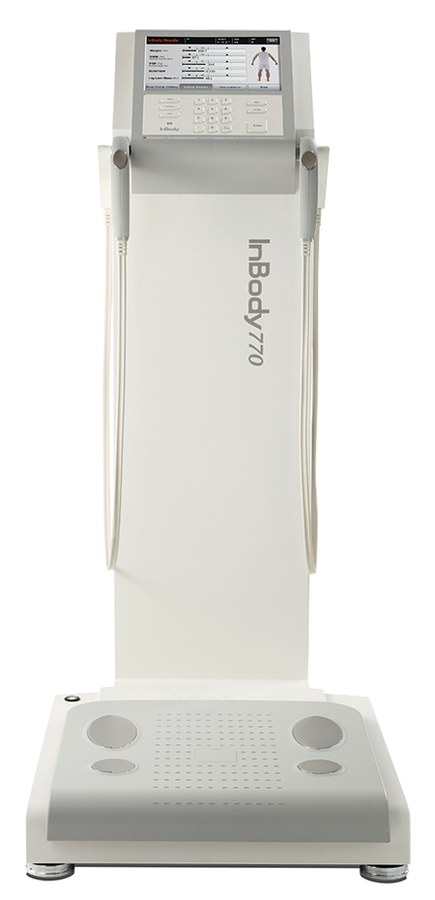
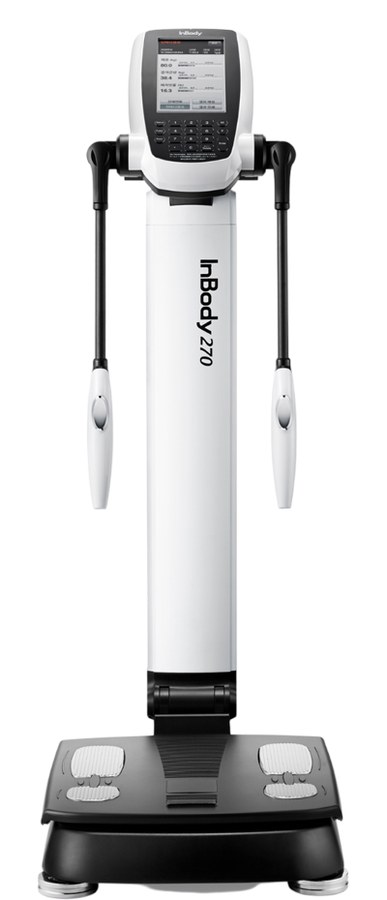
To be clear about what body composition testing can and cannot tell you: an InBody test measures muscle mass, fat mass, and water distribution — it does not measure hemoglobin, ferritin, or diagnose anemia. It is not a substitute for a blood test. But an unexplained plateau or decline in SMM, especially paired with persistent fatigue that doesn’t match your training load, is exactly the kind of pattern that should prompt a simple next step: a complete blood count and a ferritin test with your doctor. If iron deficiency turns out to be the underlying issue, treating it — through diet, supplementation, or both, under medical guidance — often shows up first as improved energy, and over subsequent months as measurable SMM recovery on your next test. Retesting your InBody Score, SMM, and body fat percentage every 8–12 weeks gives you objective evidence of whether the correction is working, rather than relying on how you feel.
What to Do: A Practical Action Plan
- Get tested, don’t guess. If you have unexplained fatigue or a stalled InBody muscle-mass trend, ask your doctor for a complete blood count plus a serum ferritin test — hemoglobin alone can miss early iron deficiency.
- Build meals around heme iron if you eat meat. Chicken liver, mutton, and fish are the most bioavailable sources, absorbed at roughly 25% versus 17% or less for plant sources.
- If you’re vegetarian, pair iron-rich foods with vitamin C every time. Lentils (~3.3 mg iron/100g), spinach, and sesame seeds (~14.6 mg/100g) are strong non-heme sources but absorb poorly alone. Adding lemon, amla, or tomatoes to the same meal can raise absorption several-fold.
- Separate your chai from your meals. Tannins in tea inhibit non-heme iron absorption — drink it an hour before or after meals, not alongside them.
- Don’t ignore “iron deficiency without anemia.” If hemoglobin is normal but fatigue and a stagnant body composition trend persist, ask specifically for a ferritin test — IDNA is common, underdiagnosed, and treatable.
- Track body composition alongside treatment, not instead of it. Once a blood test confirms and treats iron deficiency, retest your body composition every 8–12 weeks to see whether SMM is actually recovering.
Frequently Asked Questions
Can iron-deficiency anemia cause muscle loss?
Yes. Research links low iron stores to reduced muscle mass independent of hemoglobin levels — a population study of 5,571 adults found a 62% higher risk of low muscle mass in those with the lowest ferritin levels. Iron deficiency also impairs muscle protein synthesis and reduces mitochondrial energy production, both of which slow muscle building and recovery even in people training consistently.
What are the early signs of iron-deficiency anemia?
Common early signs include persistent fatigue, unusual breathlessness during normal activity, pale skin or nail beds, dizziness, hair thinning, and reduced exercise tolerance or slower recovery after workouts. Many of these symptoms appear before hemoglobin drops low enough to be flagged as clinical anemia, which is why a ferritin test can catch the problem earlier than a standard blood count.
How much iron do Indian women need daily?
According to the ICMR-NIN 2020 dietary guidelines, adult Indian women need approximately 29 mg of iron per day, compared to 19 mg for men — the difference accounts for monthly menstrual blood loss. Pregnant women need slightly less per the same guidelines (27 mg/day) because of enhanced absorption during pregnancy, while lactating women need around 23 mg/day.
Can vegetarians get enough iron without supplements?
It’s possible but harder, since plant-based (non-heme) iron absorbs at roughly 17% or less, dropping to 5–12% in people who are already iron-depleted, versus about 25% for heme iron from meat. Vegetarians can improve absorption by pairing iron-rich foods like dal, spinach, and sesame seeds with vitamin C sources such as lemon, amla, or tomatoes, and avoiding tea with meals. Many vegetarian women still need medical supplementation to fully correct a deficiency.
Does InBody or body composition testing detect anemia?
No. InBody measures skeletal muscle mass, body fat, and water distribution — it does not measure hemoglobin or ferritin and cannot diagnose anemia. However, an unexplained plateau or decline in skeletal muscle mass despite consistent training, especially alongside persistent fatigue, is a pattern worth investigating with an actual blood test, since iron deficiency is one of several possible underlying causes.
How long does it take to rebuild muscle after treating anemia?
Energy and exercise capacity often improve within weeks of starting iron correction, but measurable skeletal muscle mass recovery typically takes longer and depends on continued resistance training and adequate protein intake. Retesting body composition every 8–12 weeks after starting treatment is a reasonable interval to see whether SMM is trending back up alongside your blood markers.
Why is anemia so common in India compared to other countries?
India’s high anemia burden — 57% in women and 25% in men aged 15–49 per NFHS-5 — stems from several overlapping factors: heavy reliance on plant-based, lower-bioavailability iron sources (39% of Indians identify as vegetarian per Pew Research), near-universal tea consumption that inhibits absorption, menstrual iron losses among women, and under-testing for ferritin in routine checks. The government’s Anemia Mukt Bharat program was launched in 2018 specifically to address this gap.
Know What’s Actually Happening — Test Both
If your muscle mass has stalled or slipped despite consistent training, don’t assume it’s just discipline or programming. Iron-deficiency anemia affects a majority of Indian women and a meaningful share of Indian men, with well-documented effects on oxygen delivery, cellular energy, and muscle protein synthesis. A blood test tells you your iron status; a body composition test tells you what’s happening to your muscle, fat, and fluid balance over time. Together, they give you a far more complete picture than the scale.
Book an InBody body composition test at inbody.in/inbody-test.php to get your Skeletal Muscle Mass baseline, then pair it with a simple blood test to catch early the deficiency that affects more Indians than almost any other nutritional condition.
Related reading: PCOS and body composition in Indian women, thyroid disorders and body composition, and sarcopenia and age-related muscle loss in India.

Most trending articles
Hypothyroidism Symptoms in India: Signs Most People Miss
1 in 10 Indian adults has hypothyroidism, and it hides behind ordinary tiredness. The early signs most people blame on stress, age, or a new baby.
वज़न बढ़ाने के लिए क्या खाएं? सही डाइट प्लान (सिर्फ ज़्यादा खाना नहीं)
सिर्फ ज़्यादा खाने से मांसपेशी नहीं बनती, चर्बी बढ़ सकती है। सही कैलोरी सरप्लस, प्रोटीन और डाइट प्लान जो वज़न को सही तरीके से बढ़ाए — पूरी जानकारी हिंदी में।
भारत में प्रोटीन कितना ज़रूरी है? असली आंकड़े और सही फॉर्मूला
IMRB के एक सर्वे में लगभग 73% भारतीय आहार प्रोटीन-कम पाए गए। सही प्रोटीन टारगेट कैसे निकालें और किन फूड्स से पूरा करें — पूरी जानकारी हिंदी में।