
Health 11 min read
Body Composition and Breast Cancer: Why Your Weight May Look “Normal” After Treatment — And What That Means for India’s Survivors
India has 1 million+ breast cancer survivors. The real research on 'sarcopenic obesity' — muscle loss even when weight looks stable — and what to ask your oncology team.
Reading about body composition? Find an InBody test centre near you →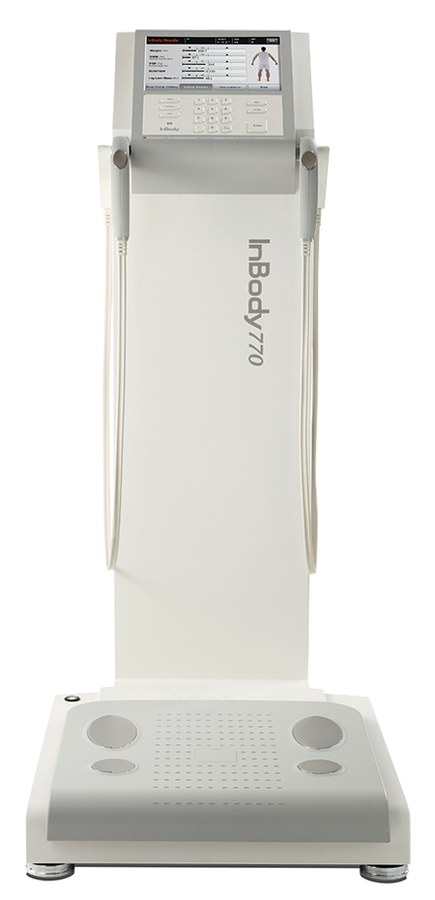
Body Composition and Breast Cancer: Why Your Weight May Look “Normal” After Treatment — And What That Means for India’s Survivors
Surviving breast cancer is already one of the hardest things a person can go through — the diagnosis, the decisions, the surgery, the chemotherapy or radiation, the fear that quietly sits behind ordinary days. If you are one of India’s more than one million breast cancer survivors, or currently mid-treatment, you may have noticed something else too: your body composition — the balance of muscle, fat, and water inside you — seems to be shifting in ways the bathroom scale doesn’t fully explain. Clothes fit differently. Strength that used to be reliable now takes more effort. The scale may barely move, or even tick up slightly, while something underneath clearly feels different.
If this is you, please hear this first: you are not imagining it, you have done nothing wrong, and you are not alone. Changes in body composition during and after breast cancer treatment are common, real, and well documented in oncology research. This is not a personal failing or a sign that you didn’t try hard enough — it is a recognised physiological response to a demanding treatment process. Understanding it is simply one more way to take care of yourself through recovery, and one more thing you can bring, gently and without self-blame, to your next conversation with your oncology team.
The Real Research: What “Sarcopenic Obesity” Actually Means
The phenomenon researchers are describing has a name that sounds harsher than the reality: sarcopenic obesity. It refers to the simultaneous loss of muscle mass (sarcopenia) alongside a gain in body fat — a pattern that can occur even when total body weight or BMI looks completely unremarkable. A widely cited review by Baracos and Arribas, published in Annals of Oncology, describes this as “hidden muscle wasting” precisely because it is so easily missed on a standard weight check. Across advanced solid-tumour patients generally, the review found sarcopenic obesity present in roughly 9% of patients (range 2.3–14.6%), rising to about 1 in 4 (24.7%) among patients who also had obesity by BMI — and the review notes it is independently associated with higher rates of treatment complications and mortality across multiple cancer types.
For breast cancer specifically, the research is substantial and consistent. The HEAL Study, published in the Journal of Cancer Survivorship, followed 471 breast cancer survivors using DXA scans and found 16% met the criteria for sarcopenia — present “across the distribution” of BMI values under 30, meaning weight category alone did not reliably predict who had it. Survivors with sarcopenia had roughly triple the risk of death over follow-up (hazard ratio 2.86) even after accounting for how much fat they carried, with 10-year survival of 67.6% versus 83.8% for survivors without it. A larger study in JAMA Oncology, following 3,241 women with stage II–III nonmetastatic breast cancer for a median of six years, found sarcopenic obesity carried more than double the mortality risk (hazard ratio 2.08), and that this body composition data predicted outcomes more accurately than BMI alone.
Muscle loss during treatment itself is also well studied. Research published in Clinical Cancer Research found that among women with metastatic breast cancer receiving chemotherapy, sarcopenia was independently associated with higher treatment-related toxicity and a shorter time before the cancer progressed. One study tracking women through neoadjuvant chemotherapy found skeletal muscle measurably declined over treatment even as weight and visceral fat increased, with 25.2% of women already sarcopenic before starting chemotherapy and 80% of those remaining so afterward. A related study, published in Supportive Care in Cancer, found that women who were sarcopenic beforehand had roughly double the rate of anemia after treatment.
None of this research exists to frighten you. It exists because oncology teams worldwide are increasingly recognising that body composition — not just weight — is a meaningful part of the picture during and after breast cancer treatment, worth understanding alongside everything else your care team already tracks.
Why the Bathroom Scale Can Be Especially Misleading Here
A scale reports one number: total mass. It cannot tell you whether that mass is muscle, fat, or water — and during breast cancer treatment, these three can move in very different directions at once. Reduced activity, treatment-related fatigue, hormone therapy, and steroid medications used alongside chemotherapy can all contribute to fat gain, while the direct physical stress of chemotherapy can cause muscle to decline quietly in parallel. This is exactly the pattern one neoadjuvant chemotherapy study captured: skeletal muscle index measurably decreased over treatment while weight and visceral fat both increased.
A more recent study following women with early-stage breast cancer through a year of treatment, published in npj Breast Cancer, illustrates this well: fat mass and related measures rose while skeletal muscle mass and strength declined, and the share of women meeting criteria for sarcopenic obesity rose from 1.16% at the start of treatment to 4.9% by the end. Some women who began with an entirely typical body composition profile developed this pattern during the very treatment that was extending their lives — a known, studied side effect, not a reflection of anything a person did or didn’t do.
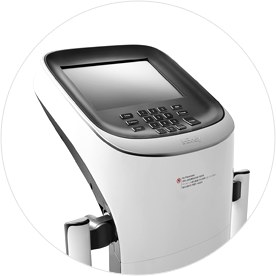
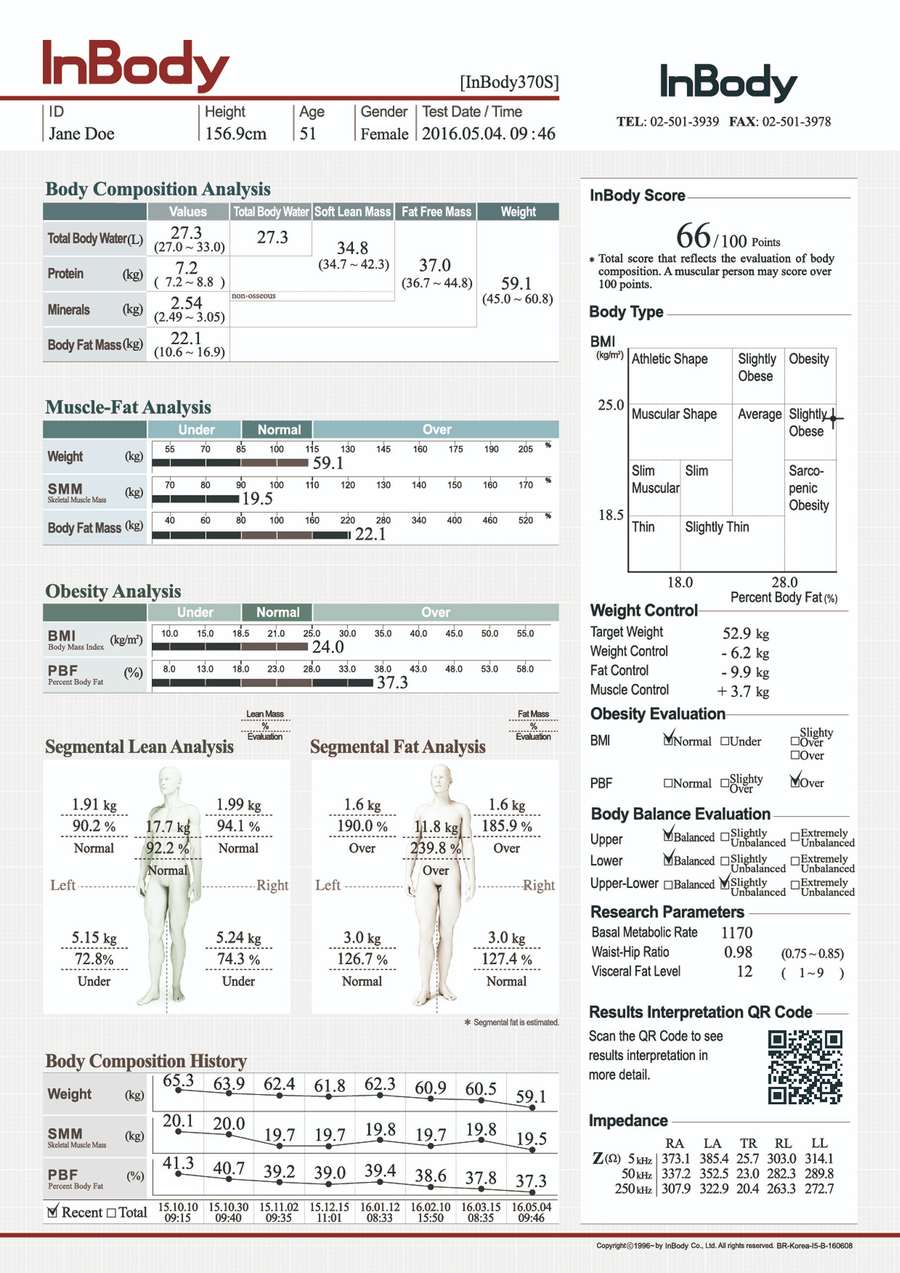
The practical consequence: two survivors can have an almost identical weight and BMI reading six months after diagnosis and be in very different places physically underneath — one may have largely preserved her muscle, another may have lost a meaningful amount while gaining fat — and the scale alone cannot tell them apart. That distinction is exactly what body composition testing, rather than weight tracking, is designed to reveal.
Breast Cancer Survivorship in India: A Growing Community, A Growing Need
Breast cancer is the most common cancer among Indian women, accounting for roughly 27% of all cancers diagnosed in women nationally, according to data from ICMR’s National Cancer Registry Programme. A woman’s lifetime risk is estimated at about 1 in 28 across India — higher in cities (roughly 1 in 22) than in rural areas (roughly 1 in 60) — with incidence beginning to rise in the early thirties and peaking between ages 50 and 64.
Survival is improving, though it remains closely tied to stage at diagnosis. An analysis of 11 population-based cancer registries across India, covering diagnoses from 2012–2015 and published in the journal Cancer, found a 5-year age-standardised relative survival of 66.4% overall — ranging from 81.0% for localised disease to just 18.3% when diagnosed with distant metastasis, part of why early detection remains such a priority alongside survivorship care. A review in the Indian Journal of Medical Research notes that India is already home to more than one million breast cancer survivors, describing dedicated, structured survivorship programmes as “a need of the hour.” That review found fatigue reported by roughly half of surveyed survivors and appetite changes by about a quarter — common, real experiences that don’t always come up in a short follow-up visit, alongside real financial strain for many families.
Most tertiary hospitals in India now have comprehensive oncology treatment units, and awareness of breast cancer itself has grown substantially. What is still developing, by the field’s own account, is survivorship-specific infrastructure — the follow-up care and monitoring that support a person’s life after active treatment ends. Body composition tracking is one small, practical piece hospitals and oncology centres can add to that picture as India’s survivor community grows.
What This Means for You: Information to Bring to Your Oncology Team
Nothing in this section is meant as independent guidance to act on alone. Every point below is something to raise with your oncologist, oncology dietitian, or cancer rehabilitation physiotherapist — the people who know your treatment plan, your medications, and your specific health status. Body composition data is useful because it gives your care team one more concrete, otherwise-invisible data point. It is not a substitute for anything they are already doing, and it should never be used to second-guess or delay your prescribed treatment.
- Ask whether a body composition assessment fits your follow-up plan. A baseline taken around diagnosis, followed by periodic re-testing, gives your care team something concrete to reference if changes in strength, fatigue, or energy come up later.
- Bring your results to your oncology appointment as information, not a self-diagnosis. Let your care team interpret the numbers alongside your bloodwork, scans, and clinical exam — that combined picture is far more meaningful than any single reading on its own.
- Ask specifically about safe movement for your situation. A 2019 international consensus statement on exercise for cancer survivors, published in Medicine & Science in Sports & Exercise, found exercise — including resistance training — generally safe for many survivors, including during active treatment, and linked to better treatment tolerance. But “generally safe” is not “safe for you specifically” — get clearance from your oncology team first, especially after lymph node surgery, with lymphedema risk, or on treatments with their own precautions.
- Ask your oncology dietitian about your individual protein target, rather than estimating one yourself. General cancer-nutrition guidance points to roughly 1.0–1.5 grams of protein per kilogram of body weight daily as a common range, but your actual target depends on treatment, kidney function, and other factors only your care team can weigh properly.
- Say the quiet parts out loud at your appointments. Fatigue and appetite changes are common enough that research finds them in roughly half and a quarter of survivors respectively, yet they don’t always come up in a short visit. Naming them gives your team the chance to help, rather than you carrying them alone.
Frequently Asked Questions
Is it normal to gain weight during breast cancer treatment even if I’m eating carefully?
Yes, and it is not a sign you’re doing anything wrong. Treatment-related factors — reduced activity, fatigue, hormone therapy, and steroid medications used alongside chemotherapy — can contribute to fat gain regardless of diet effort. Research also shows this can happen alongside quiet muscle loss, which is exactly why the scale number alone doesn’t tell the full story. Raise any weight changes with your oncology team rather than blaming yourself.
What is “sarcopenic obesity,” and could I have it without knowing?
It’s the medical term for losing muscle mass while gaining body fat — a pattern that can occur even when your weight and BMI look unremarkable, which is why research describes it as “hidden.” Studies on breast cancer specifically have found it affects a meaningful minority of women during and after treatment. The only way to know is through a body composition assessment, not weight alone — worth asking your oncology team about.
Does losing muscle during chemotherapy mean my treatment isn’t working, or that something is wrong?
No. Muscle loss during chemotherapy is a documented, common physiological response to treatment itself, seen across large numbers of patients in published research — it is not a marker of whether the cancer treatment is succeeding. It’s still worth mentioning to your oncology team, because there may be supportive steps — nutrition, physiotherapy — they can offer, but it is not a sign anything has gone wrong with your care.
Can body composition testing replace my regular oncology follow-up scans and blood work?
No, and it isn’t meant to. Body composition testing adds one specific, otherwise-invisible piece of information — your muscle, fat, and water balance — alongside the monitoring your oncology team already does. It complements their follow-up protocol; it never replaces your scans, bloodwork, or clinical visits.
Is it safe to start exercising during or after breast cancer treatment?
For many survivors, yes — international exercise-oncology guidelines from 2019 found structured exercise, including resistance training, generally safe and beneficial for treatment tolerance and recovery. But your specific situation — surgery history, lymphedema risk, treatment stage — matters, so always get clearance from your oncology team before starting or changing an exercise routine, rather than starting on your own.
How much protein should I be eating during and after treatment?
General cancer-nutrition guidance suggests roughly 1.0–1.5 grams of protein per kilogram of body weight daily, somewhat higher than typical adult recommendations. But the right number for you depends on your treatment, kidney function, and individual health status — ask your oncology dietitian for a target specific to you rather than applying a general figure.
Where can I get a body composition test, and should I bring the results to my oncologist?
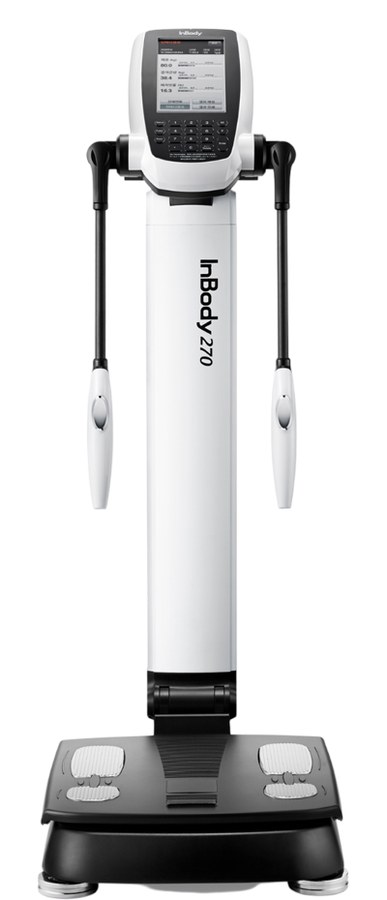
InBody body composition testing is available at hospitals, oncology centres, and clinics across India. Yes — bring your results to your oncology follow-up as useful information for that conversation. Your oncology team is best placed to interpret what the numbers mean for your specific treatment and recovery, alongside everything else they already track.
A Note for Hospitals and Oncology Centres — And for Every Survivor Reading This
India’s breast cancer survivor community is large and growing, and the care it deserves extends well past the last chemotherapy session or the final radiation appointment. Body composition tracking is one small, evidence-grounded tool that hospitals and oncology centres can build into survivorship follow-up — alongside, never instead of, the bloodwork, scans, and clinical judgment that already anchor good cancer care. If you work in a hospital or oncology setting, learn more at inbody.in/inbody-for-hospitals.php.
And if you are a survivor, or in the middle of treatment right now: your body has carried you through something enormous. Whatever it looks or feels like today is not a verdict on your effort or your strength — it is information, and information is something you and your oncology team can work with together. For more on body composition through other major life transitions, see our guides to menopause and body composition in Indian women and sarcopenia and age-related muscle loss in India, and for help understanding your own results, start with how to read your InBody report.

Most trending articles
Hypothyroidism Symptoms in India: Signs Most People Miss
1 in 10 Indian adults has hypothyroidism, and it hides behind ordinary tiredness. The early signs most people blame on stress, age, or a new baby.
वज़न बढ़ाने के लिए क्या खाएं? सही डाइट प्लान (सिर्फ ज़्यादा खाना नहीं)
सिर्फ ज़्यादा खाने से मांसपेशी नहीं बनती, चर्बी बढ़ सकती है। सही कैलोरी सरप्लस, प्रोटीन और डाइट प्लान जो वज़न को सही तरीके से बढ़ाए — पूरी जानकारी हिंदी में।
भारत में प्रोटीन कितना ज़रूरी है? असली आंकड़े और सही फॉर्मूला
IMRB के एक सर्वे में लगभग 73% भारतीय आहार प्रोटीन-कम पाए गए। सही प्रोटीन टारगेट कैसे निकालें और किन फूड्स से पूरा करें — पूरी जानकारी हिंदी में।