
Body Composition 11 min read
Yoga and Body Composition in India: Why Feeling Fitter Isn’t the Same as Building Muscle
Millions of Indians practise yoga daily. Real research shows what it genuinely does for flexibility, cortisol, and heart health — and why muscle mass usually needs resistance training too.
Reading about body composition? Find an InBody test centre near you →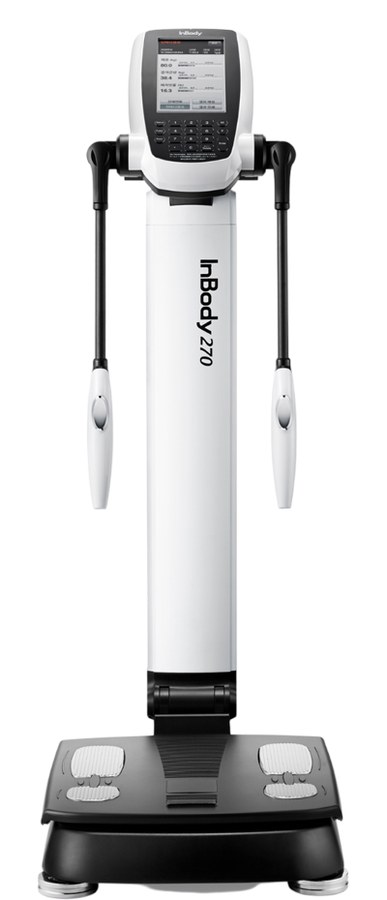
When a Year of Yoga Doesn’t Show Up on the Scan
Walk into any body composition testing centre in India and ask to see the results of someone who has practised yoga daily for a year. The story is often strikingly consistent: a calmer mind, better sleep, hamstrings that finally reach past the knees, a back that no longer aches after a long day at a desk — and a Skeletal Muscle Mass (SMM) reading and Percent Body Fat (PBF) that have barely shifted since their very first scan. This is not a failure of yoga. It is a mismatch between what daily asana practice is designed to do and what body composition — the specific balance of muscle, fat, and water that makes up your body — actually requires in order to change.
Yoga is India’s own heritage fitness practice and deserves to be discussed on its own terms, not dismissed or oversold. It is also one of the country’s most widely practised physical activities, promoted by the government and woven into daily routines nationwide. Precisely because it holds this central place, it is worth asking honestly: does yoga alone build or preserve muscle mass, or does meaningful body-composition change require pairing it with resistance training? The research gives a clear, nuanced answer — and it respects yoga rather than dismissing it.
What Yoga Genuinely Does Well for Your Body
Before examining yoga’s limits, it is worth being precise about where the evidence for yoga is genuinely strong — stronger than most fitness content gives it credit for.
A controlled clinical trial following 173 Hong Kong Chinese adults (average age 52) through a 12-week Hatha yoga programme, with 89% adherence, found statistically significant improvements in cardiorespiratory fitness (VO2max) in both men and women, along with significant gains on push-up and curl-up tests — standard measures of muscular strength and endurance — and significant improvements in lower-back and hamstring flexibility across sexes and age groups. Resting heart rate also improved, particularly in women. This is real, measured evidence that structured yoga practice improves fitness markers that matter — just not necessarily the same markers a body composition scan reports.
On stress, the evidence is even more robust. A meta-analysis pooling 42 randomised controlled trials on yoga and mindfulness-based stress reduction found that yoga asanas were associated with measurably reduced evening and waking cortisol compared with active control groups, alongside improvements in blood pressure, heart rate variability, fasting glucose, and cholesterol profile. The likely mechanism is that regular practice helps down-regulate the hypothalamic-pituitary-adrenal (HPA) axis — the same stress-hormone system that, when chronically overactive, is strongly linked to abdominal and visceral fat storage. Harvard Health’s review of yoga and cardiovascular health reaches a similar conclusion: yoga’s slow, controlled breathing and movement pattern is associated with meaningful reductions in blood pressure, inflammation markers, and other cardiovascular risk factors over months of practice.
None of this is a small thing. Flexibility, balance, cardiovascular conditioning, and cortisol regulation are legitimate, evidence-backed health outcomes — and cortisol control in particular has a direct line to visceral fat, which matters enormously for Indian body composition profiles. But none of these benefits is the same thing as building or preserving skeletal muscle mass, and that distinction is where most of the confusion begins.
Why Yoga Alone Rarely Builds Muscle Mass
Muscle grows through a specific mechanical process: when a muscle fibre is placed under tension greater than it has previously experienced, it triggers a signalling cascade (centred on a pathway called mTORC1) that raises muscle protein synthesis above the rate of muscle breakdown, producing net growth over time. The critical word is greater. If the tension placed on a muscle stays the same week after week, the body adapts within a matter of weeks and growth stalls — this is the principle of progressive overload, and it is the foundation of every resistance-training programme, whether performed with a barbell or with body weight.
Most yoga sequences, especially the gentler and more restorative styles commonly taught in Indian studios and morning parks, do not systematically increase mechanical tension over time. A downward dog or a seated forward fold asks broadly the same amount of your body weight in month twelve as it did in month one. This is precisely what a six-week randomised controlled trial in 50 healthy young adults (25 in a yoga group, 25 controls) found directly: after six weeks, Skeletal Muscle Mass was statistically unchanged (19.01 kg before versus 19.0 kg after), body fat mass was unchanged, and resting metabolic rate was unchanged. The study’s own conclusion was blunt — six weeks of standard yoga was “not adequate to bring about beneficial changes” in body composition, and the researchers noted that a “more rigorous (e.g., power yoga) and prolonged, regular regimen” would likely be required to see a measurable effect.
That last point is where the nuance lives — not all yoga carries equal resistance demand. Gentle Hatha, restorative, and yin styles involve long, low-tension holds, excellent for flexibility and stress relief, but minimal progressive loading. Power yoga, Ashtanga, and fast-flowing Vinyasa sequences — chaining together weight-bearing poses like chaturanga, plank, and extended arm-balance holds — place considerably more demand on the arms, shoulders, and core, and practised intensely over long periods can support meaningfully better outcomes. A long-running comparison study out of the University of Connecticut, following women aged 50-65 who had practised Vinyasa yoga at least twice weekly for a year or more against sedentary women of similar age and BMI, found the yoga practitioners had measurably lower body fat and higher muscle mass, alongside lower rates of muscle protein turnover — consistent with better long-term muscle preservation. The honest takeaway is not “yoga cannot affect muscle,” but that gentle, restorative practice generally does not provide enough progressive resistance to build it, while vigorous, sustained practice can help preserve it — though this evidence is observational, not proof that power yoga builds muscle the way resistance training does.
Yoga in India: Widely Practised, Often Assumed to Be Complete
Yoga’s cultural weight in India makes this distinction especially important. A nationwide cluster-sample survey (KAPY, 2017) covering more than 162,000 households across India’s six zones found that 11.8% of the population practises yoga, with rates nearly identical in rural (11.9%) and urban areas (12.1%), and considerably higher in the North zone (17.2%) than the East (5.3%). A more recent Ministry of AYUSH survey of over 30,000 households across 34 states and union territories found a similar pattern at a broader threshold: 11.2% practise regularly and a further 13.4% occasionally, meaning over 41% of respondents had incorporated yoga into their lifestyle to some degree. Among regular practitioners, 24.6% cited improved fitness and 16.9% cited reduced stress as the outcomes they noticed most.
These are large numbers — yoga is arguably India’s single most widely practised physical activity, reinforced by International Day of Yoga each June, Ministry of AYUSH promotion, and a cultural inheritance that predates the modern gym by millennia. That scale is exactly why it is so often treated, informally, as a complete fitness solution — something done instead of a structured exercise programme rather than alongside one. For flexibility, stress management, balance, and cardiovascular conditioning, that assumption is broadly defensible. For building or preserving skeletal muscle mass and reducing visceral fat specifically — the two body-composition metrics most strongly tied to metabolic disease risk in Indian adults — it does not hold up against a body composition scan, and the gap stays invisible until someone is actually tested.
How to Know If Your Practice Is Actually Changing Your Body Composition
The honest answer to “is my yoga practice working?” cannot come from how you feel. Feeling calmer, sleeping better, and moving with less stiffness are real, valuable changes — but they are not proxies for muscle mass or visceral fat, and the scale is even less useful, since it cannot distinguish a kilogram of muscle from a kilogram of fat.
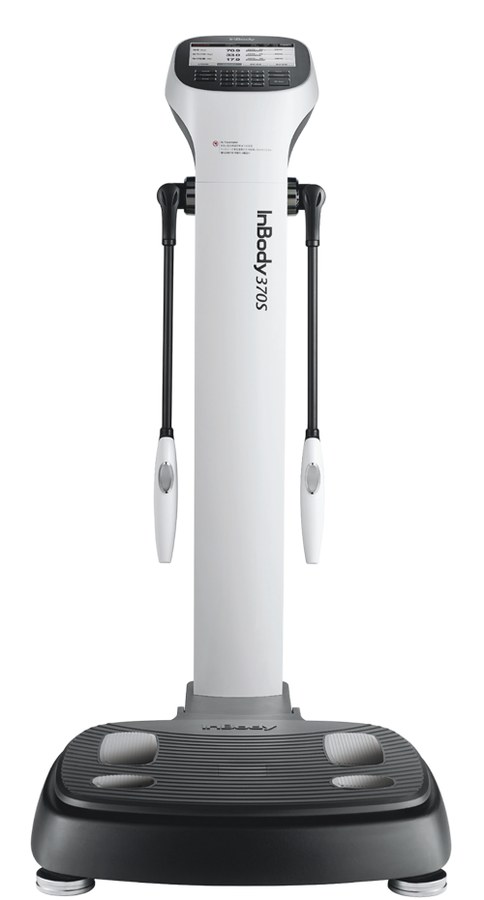
A body composition test resolves the ambiguity directly. It reports your Skeletal Muscle Mass in kilograms, your Percent Body Fat, your Visceral Fat Area (VFA) — the fat around your abdominal organs that drives metabolic risk — and your ECW/TBW ratio, a marker of cellular hydration and inflammation. If you have practised yoga consistently for several months and SMM has not moved while PBF and VFA remain roughly where they started, that is not a sign yoga “failed.” It is data confirming what the research above predicts: your practice is delivering real benefits (stress, flexibility, cardiovascular conditioning) but insufficient progressive resistance for muscle change, and resistance training is the missing input. Testing every 8-12 weeks turns this from a guess into a measurable feedback loop.

How to Pair Yoga With Strength Training Without Giving Up Either
You do not need to choose between yoga and muscle. The evidence points toward combining them deliberately rather than treating either as sufficient alone.
- Keep your yoga practice for what it does best. Flexibility, balance, cortisol regulation, and cardiovascular conditioning are real, evidence-backed benefits — no reason to give these up.
- Add 2-3 dedicated resistance sessions per week. The single highest-leverage change for anyone whose SMM is not improving. Compound bodyweight or weighted movements — squats, push-ups, rows, hip hinges — provide the progressive tension most yoga sequences do not.
- If you want to stay yoga-focused, move toward more demanding styles. Power yoga, Ashtanga, and fast Vinyasa flows with extended plank, chaturanga, and arm-balance holds load the upper body and core more than restorative or gentle Hatha sequences.
- Apply progressive overload inside your practice deliberately. Holding chaturanga or plank longer each week, adding a slow eccentric lower, or increasing your sun salutation count introduces real progression even within an asana framework.
- Prioritise protein regardless of which practice you choose. Building or preserving muscle requires adequate protein — research supports 1.6-2.2g per kg of body weight daily — and the typical Indian diet of roti, rice, and dal tends to fall short without deliberate planning.
- Set realistic timelines. The six-week trial above found no measurable change from standard yoga in that window; expect a similar or longer runway for resistance training, and test every 8-12 weeks rather than judging progress week to week.
Frequently Asked Questions
Does yoga help build muscle mass?
Rarely on its own, especially with gentle or restorative styles. A six-week randomised trial found no significant change in Skeletal Muscle Mass, body fat, or resting metabolic rate from standard yoga practice. Muscle growth requires progressive mechanical overload, which most asana sequences do not provide consistently. More vigorous styles practised intensively over a year or longer show better outcomes, but resistance training remains the most reliable tool for building muscle.
Can yoga reduce visceral fat by lowering cortisol?
Indirectly, yes. A meta-analysis of 42 randomised trials found yoga reduces waking and evening cortisol, and chronically elevated cortisol is a known driver of visceral fat storage. This makes yoga a legitimate tool for the stress-related component of visceral fat. However, it works through a different mechanism than the calorie and metabolic pathways addressed by resistance and cardiovascular training, so it works best as an addition, not a replacement.
Which yoga styles offer more resistance for muscle building?
Power yoga, Ashtanga, and fast-paced Vinyasa flows demand considerably more from the arms, shoulders, and core than restorative or gentle Hatha yoga, due to extended weight-bearing holds like plank and chaturanga. A six-week study specifically noted that a “more rigorous, e.g. power yoga” and prolonged regimen would likely be needed to see measurable body composition change, compared with gentler styles.
How many Indians actually practise yoga?
A nationwide 2017 survey (KAPY) covering over 162,000 households found 11.8% of Indians practise yoga, split almost evenly between rural (11.9%) and urban (12.1%) areas. A more recent Ministry of AYUSH survey found 11.2% practise regularly and 13.4% occasionally, meaning over 41% have incorporated yoga into their lifestyle to some degree — making it one of India’s most widely practised physical activities.
Should I stop doing yoga and switch entirely to weight training?
No. Yoga provides well-documented, evidence-backed benefits for flexibility, balance, cardiovascular markers, and stress-hormone regulation that resistance training does not replicate as directly. The evidence supports combining both: keep yoga for the benefits it delivers reliably, and add 2-3 resistance sessions per week specifically to address muscle mass and strength, which most yoga practice does not sufficiently stimulate.
How long before yoga or resistance training shows up on a body composition test?
A six-week yoga trial found no measurable change in muscle mass or body fat, suggesting that window is too short to expect results from either yoga or resistance training. Most body composition protocols recommend testing every 8-12 weeks, which gives progressive resistance training and consistent yoga practice enough time to produce a measurable shift in Skeletal Muscle Mass and Percent Body Fat.
Test Before You Guess
Yoga has earned its place in Indian fitness culture honestly — the evidence for its flexibility, stress, and cardiovascular benefits is real. But feeling better is not the same as your body composition changing, and the only way to know which one is happening is to measure it directly, not rely on the scale or the mirror.
If you are curious whether your own practice — yoga, running, home workouts, or the gym — is actually shifting your muscle mass and visceral fat, an InBody test gives you the complete picture in under two minutes: Skeletal Muscle Mass, Percent Body Fat, Visceral Fat Area, ECW/TBW ratio, and your InBody Score. For more on how different training approaches compare, see our breakdowns of running versus weight training for fat loss, body recomposition without a gym, and the Indian gym myths the data debunks.
Book your InBody test at inbody.in/inbody-test.php. Walk in with a year of yoga, running, or lifting behind you; walk out knowing exactly what it changed.

Most trending articles

वज़न बढ़ाने के लिए क्या खाएं? सही डाइट प्लान (सिर्फ ज़्यादा खाना नहीं)
सिर्फ ज़्यादा खाने से मांसपेशी नहीं बनती, चर्बी बढ़ सकती है। सही कैलोरी सरप्लस, प्रोटीन और डाइट प्लान जो वज़न को सही तरीके से बढ़ाए — पूरी जानकारी हिंदी में।
भारत में प्रोटीन कितना ज़रूरी है? असली आंकड़े और सही फॉर्मूला
IMRB के एक सर्वे में लगभग 73% भारतीय आहार प्रोटीन-कम पाए गए। सही प्रोटीन टारगेट कैसे निकालें और किन फूड्स से पूरा करें — पूरी जानकारी हिंदी में।
Metabolic Age क्या होती है? आपकी उम्र से ज़्यादा है या कम?
आपकी असली उम्र 34 है पर शरीर 50 साल जैसा व्यवहार कर सकता है। Metabolic age क्या है, मांसपेशी घटने के जोखिम क्या हैं और इसे कैसे घटाएं — पूरी जानकारी।