
Fitness 10 min read
Vegan Muscle Building in India: The Complete Plant-Only Protein Guide [No Dairy, No Eggs]
Vegan muscle building in India means zero paneer, curd, whey, or eggs. The real science on plant protein quality, gram-per-serving data for tofu, soy, and legumes, and how to hit your protein target on plants alone.
Reading about body composition? Find an InBody test centre near you →![Vegan Muscle Building in India: The Complete Plant-Only Protein Guide [No Dairy, No Eggs]](https://www.inbody.in/blog/wp-content/uploads/2026/08/inbody-dial-h20-app.jpg)
Vegan Muscle Building in India: Why the Standard Advice Doesn’t Work for You
Search “vegan muscle building India” and most of what comes back is really vegetarian advice wearing a vegan label. Eat more paneer. Drink more milk. Add curd to every meal. Whey protein for the gap. None of that is usable if you don’t eat dairy, eggs, or honey. Vegan muscle building in India means building serious lean mass from plants alone — soy, legumes, nuts, seeds, and grains — with zero dairy or egg fallback options, and that is a genuinely different, harder logistics problem than the vegetarian version of this advice.
It is also a growing problem worth solving properly. A Faunalytics survey of 801 urban Gen Z Indians living with their parents found 7% already identify as vegan, and 58% fall into some category of meat-reducer — vegan, vegetarian, pescetarian, or flexitarian. Broader country-level estimates (Statista-sourced, self-reported, and acknowledged by researchers as directional rather than precise) put India’s vegan population as high as 9% of adults, among the highest of any country measured, layered on top of India already having the world’s highest rate of vegetarianism. This is no longer a fringe diet — it is a real and expanding population that gyms, nutritionists, and fitness content have mostly failed to address on its own terms.
Why Vegan Muscle Building Is Genuinely Harder — The Real Science
Let’s be precise about what “harder” means, because the honest science is more nuanced than either “impossible” or “no different at all.”
Total protein requirement doesn’t change. A vegan lifter needs the same amount of protein as anyone else to build muscle — the target doesn’t shift because animal foods are off the table. The difficulty is entirely on the supply side: without paneer, curd, eggs, or whey, every gram of that target has to come from foods that are individually less protein-dense and often bulkier, which makes hitting the number without overeating calories or carbs a real planning exercise.
Protein quality and digestibility are a real, measurable difference — at the single-meal level. A widely cited 2015 study in the Journal of Nutrition by van Vliet, Burd, and van Loon compared the muscle protein synthesis response to isolated plant proteins (soy, wheat) against animal proteins and found a lower anabolic response from the plant sources after a single meal. The mechanism: plant proteins are somewhat less digestible, undergo greater “first-pass” breakdown in the gut, and — with the exception of soy — tend to run lower in specific essential amino acids like lysine and methionine compared with animal proteins.
But the long-term training data tells a more reassuring story. A 2021 study in Sports Medicine by Hevia-Larraín and colleagues directly compared trained men following habitual vegan versus omnivorous diets, with total protein intake matched between groups, through a 12-week structured resistance training programme. Result: no significant difference in muscle thickness or strength gains between the two groups. The takeaway isn’t that the acute, single-meal digestibility difference is fake — it’s that when total daily protein is adequate and comes from a variety of sources, the body appears to compensate over the course of a day, and that’s what shows up in actual muscle growth over months.
The extra planning requirement is real, and it’s broader than just protein. A 2017 review in the Journal of the International Society of Sports Nutrition by Rogerson concluded that a well-planned vegan diet can meet the needs of most athletes and exercisers, but flagged specific nutrients that require deliberate attention in the absence of any animal food: vitamin B12 (found in essentially zero unfortified plant foods), iron, zinc, calcium, iodine, and vitamin D. A lacto-vegetarian gets partial coverage of several of these from dairy and eggs by default. A vegan gets none of it by accident — every one of these has to be sourced from fortified foods or supplements deliberately.
The Best Vegan Protein Sources Available in India
None of these rely on dairy, eggs, or honey. All are realistically available in Indian kirana stores, supermarkets, or online.
| Food | Protein (per 100g) | Practical Indian Note |
|---|---|---|
| Firm tofu | ~17g (up to 19g extra-firm) | Press to remove water before cooking; scrambles, stir-fries, curries. Widely available in supermarkets and online. |
| Tempeh | ~20g | Fermented soy, complete amino acid profile. Pan-fry or add to curries; sold by specialty and online vegan stores. |
| Soy chunks (dry, e.g. Nutrela) | ~52g (dry weight) | Soak in hot water 10–15 min before cooking to remove raw soy smell. Cheap, sold in every general store nationwide. |
| Chickpeas / chana (boiled) | ~9g | Chana masala, salads, roasted as snacks. Raw kala chana runs 20–22g per 100g before cooking. |
| Moong dal (cooked) | ~7–9g | Easiest legume to digest; sprout it for a snack-format protein boost with less bloating. |
| Quinoa (cooked) | ~4.4g | One of the few plant foods with a genuinely complete amino acid profile, but protein-dilute once cooked — needs large portions. Use as a rice substitute in upma or khichdi. |
| Peanuts (roasted) | ~26g | India’s cheapest dense plant protein. Handful as a snack, or as peanut butter on multigrain toast. |
| Almonds | ~21g | Higher cost than peanuts; good for snacking and homemade plant milk. |
| Pumpkin seeds | ~30g | Roast and salt lightly; add to salads, poha, or eat as a standalone snack. |
| Chia seeds | ~17g | Soak in plant milk or water for a pudding-style breakfast; adds fibre and omega-3 ALA alongside protein. |
| Pea/soy/rice protein powder | ~24–25g per 30g scoop | The vegan equivalent of whey — no dairy involved at any stage. Useful for closing the gap when meals fall short. |
A quick note on soy: a persistent myth in Indian gym culture claims soy protein raises estrogen in men. It doesn’t — the evidence on this is covered in detail in our protein powder guide. Soy is also the one plant protein with a PDCAAS score of 1.0, putting its digestibility-corrected amino acid quality on par with animal protein — it is the anchor of a vegan protein strategy, not a food to minimise.

Meeting Your Total Protein Target on a Vegan Diet
The research-supported protein range for building muscle is roughly 1.6–2.2g per kg of body weight per day. For a 65kg vegan lifter, that’s 104–143g daily — noticeably more than the ICMR-NIN 2020 general adult RDA of 0.83g/kg (about 54g for the same person), which is set for basic nutritional adequacy, not training adaptation.
You do not need to eat “complete” combinations at every single meal. A long-standing belief — traceable to Frances Moore Lappé’s 1971 book Diet for a Small Planet, and a claim she herself later walked back — held that plant proteins had to be paired within the same meal to be useful. A landmark 1994 review in the American Journal of Clinical Nutrition by Young and Pellett established that the body draws on a shared, rolling amino acid pool across the day: eating soy at lunch and legumes at dinner functions the same, metabolically, as eating them together. What matters is total daily protein and variety across sources, not meal-by-meal pairing.
Sample vegan day for a 65kg lifter (no dairy, eggs, or honey):
- Breakfast: Tofu bhurji, 150g firm tofu (~26g protein) + 2 slices multigrain toast
- Mid-morning: 30g roasted peanuts (~8g protein)
- Lunch: Chana masala, 200g boiled chickpeas (~18g protein) + rice or roti
- Pre/post-workout: 1 scoop pea or soy protein powder blended with water or plant milk (~25g protein)
- Evening snack: 30g dry soy chunks in curry (~16g protein) or 20g almonds (~4g protein)
- Dinner: Moong dal, 200g cooked (~16g protein) + vegetables + roti
Estimated daily total: ~108–112g protein — squarely inside the 104–143g target range, built entirely from plant sources.
Why Body Composition Tracking Matters Even More for Vegan Lifters
Vegan lifters tend to fall into one of two traps, and both are solved the same way. Some panic the moment the scale moves up, assuming a plant-based diet must mean any weight gain is fat — when it may simply be the extra water and fibre that comes with a legume- and whole-grain-heavy diet. Others assume the opposite: that eating “clean” and plant-based automatically means their physique is on track, without ever checking whether their actual skeletal muscle mass is increasing at all.
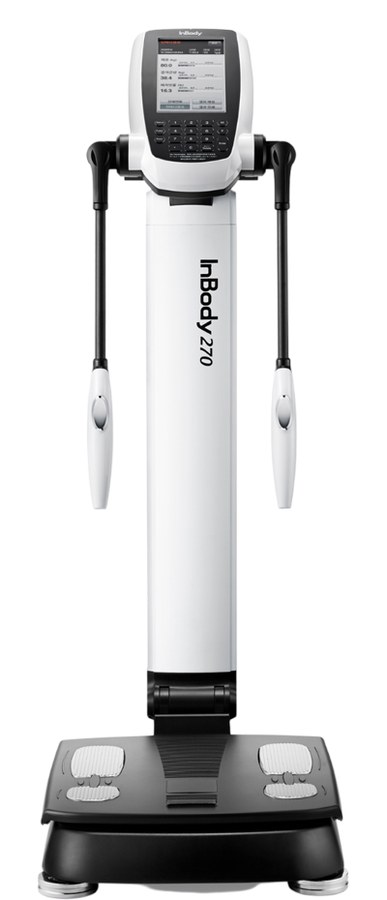
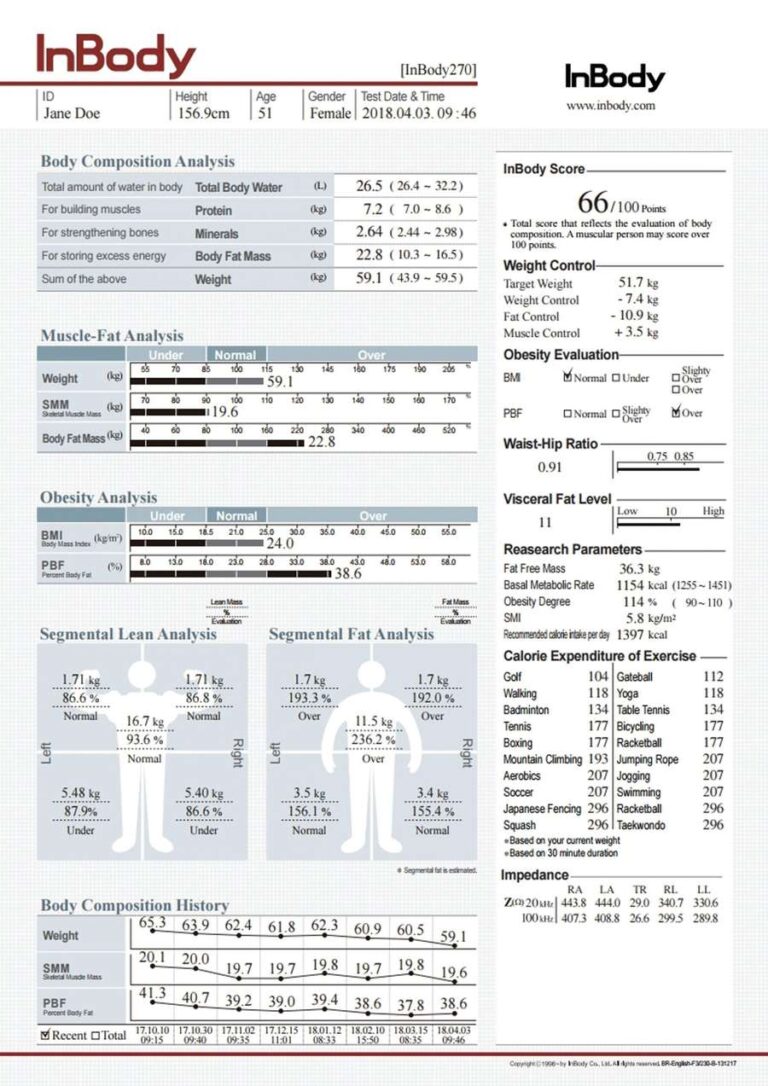
Neither assumption is reliable, because scale weight cannot distinguish muscle from fat from water, and “feels healthy” is not a measurement. This is precisely the gap body composition analysis closes. An InBody test gives you Skeletal Muscle Mass, Percent Body Fat, and segmental muscle distribution as hard numbers — so you can see directly whether your current vegan protein strategy is translating into real muscle gain, rather than guessing from the mirror or the scale.
For vegan lifters specifically, retesting every 6–8 weeks is worth doing more deliberately than for other diet groups, because you are more likely to be adjusting your protein sources, quantities, or supplementation as you go — new protein powder, more soy chunks, a quinoa experiment — and objective SMM data tells you within weeks whether a given change is actually working, instead of taking on faith that “eating more plants” is automatically working.

Frequently Asked Questions
Can vegans build as much muscle as vegetarians or non-vegetarians?
Yes, when total protein intake is matched. A 2021 study in Sports Medicine found no significant difference in muscle thickness or strength gains between trained vegans and omnivores over 12 weeks of resistance training when daily protein was equalised. The barrier isn’t biology — it’s the extra planning needed to hit the same protein number from plant sources alone.
How much protein does a vegan Indian need per day to build muscle?
Roughly 1.6–2.2g per kg of body weight daily — about 104–143g for a 65kg adult. This is well above the ICMR-NIN 2020 general RDA of 0.83g/kg, which is set for basic health, not muscle building. Reaching it requires combining tofu, soy chunks, legumes, nuts, seeds, and plant protein powder across the day.
Is soy protein a complete protein for vegan muscle building?
Yes. Soy is the one widely available plant protein with a PDCAAS score of 1.0, meaning its digestibility-corrected amino acid profile matches animal protein. It contains all nine essential amino acids in useful amounts, making tofu, tempeh, soy chunks, and soy protein powder reliable anchors of a vegan muscle-building diet.
Do I need to combine plant proteins in the same meal for complete amino acids?
No. A 1994 review in the American Journal of Clinical Nutrition established that the body uses a shared amino acid pool across the day, so eating legumes at lunch and soy at dinner works the same as eating them together. What matters is total daily protein and variety across sources, not pairing within a single meal.
What is the best vegan protein powder available in India?
Pea protein, soy protein, and pea-rice blends are the main dairy-free options, typically delivering 24–25g of protein per 30g scoop — comparable to whey. Pea protein has research showing muscle gains equivalent to whey when total training and protein intake are matched, making it the most evidence-supported single option.
Can quinoa alone meet my daily protein needs on a vegan diet?
Not practically. Quinoa is a genuinely complete protein, but cooked quinoa provides only about 4.4g of protein per 100g — you’d need very large portions to hit a muscle-building target. Treat it as one component of a varied plate alongside soy, legumes, and nuts rather than a standalone protein source.
What nutrients should vegan Indians supplement for muscle building beyond protein?
Vitamin B12 is the non-negotiable one, since it occurs in essentially no unfortified plant foods and its deficiency impairs energy and recovery. Iron, zinc, calcium, iodine, and vitamin D also warrant attention, since lacto-vegetarians get partial coverage from dairy and eggs by default, while a strict vegan diet gets none of it unless sourced deliberately.
Track the Data, Not Just the Diet
Whether your vegan muscle-building plan is working isn’t something you should have to guess at from the mirror or the scale. Book an InBody body composition test at inbody.in/inbody-test.php to get a precise Skeletal Muscle Mass and body fat baseline, then retest every 6–8 weeks to see whether your current plant-only protein strategy is actually building muscle. If you’re figuring out where you fit relative to India’s dairy-based vegetarian approach, our vegetarian muscle building guide covers the paneer-and-curd version of this problem, our protein powder guide breaks down which supplements — including plant options — are worth your money, and our piece on gut health and body fat is worth reading if a legume-heavy diet is new to your digestion.

Most trending articles
वज़न बढ़ाने के लिए क्या खाएं? सही डाइट प्लान (सिर्फ ज़्यादा खाना नहीं)
सिर्फ ज़्यादा खाने से मांसपेशी नहीं बनती, चर्बी बढ़ सकती है। सही कैलोरी सरप्लस, प्रोटीन और डाइट प्लान जो वज़न को सही तरीके से बढ़ाए — पूरी जानकारी हिंदी में।
भारत में प्रोटीन कितना ज़रूरी है? असली आंकड़े और सही फॉर्मूला
IMRB के एक सर्वे में लगभग 73% भारतीय आहार प्रोटीन-कम पाए गए। सही प्रोटीन टारगेट कैसे निकालें और किन फूड्स से पूरा करें — पूरी जानकारी हिंदी में।
Weight Loss या Fat Loss: असली फर्क क्या है?
वज़न घटना और चर्बी घटना एक चीज़ नहीं है। तेज़ी से वज़न घटाने पर मांसपेशी क्यों चली जाती है, और असली फर्क कैसे पता करें — हिंदी में पूरी जानकारी।