
Health 11 min read
Why India’s Weekend Drinkers Are Gaining Visceral Fat Without Gaining Weight: The Alcohol-Belly Fat Connection Explained
India logged the world's fastest alcohol-consumption growth in 2025. Here's the real mechanism linking weekend drinks to visceral fat — and how to test yours.
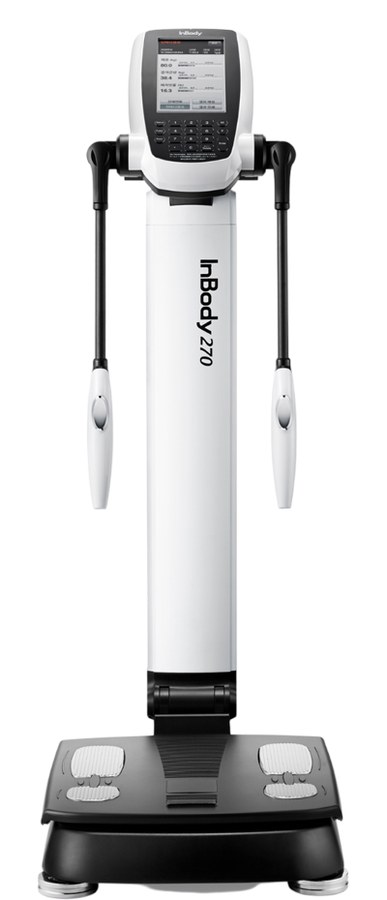
Reading about body composition? Find an InBody test centre near you →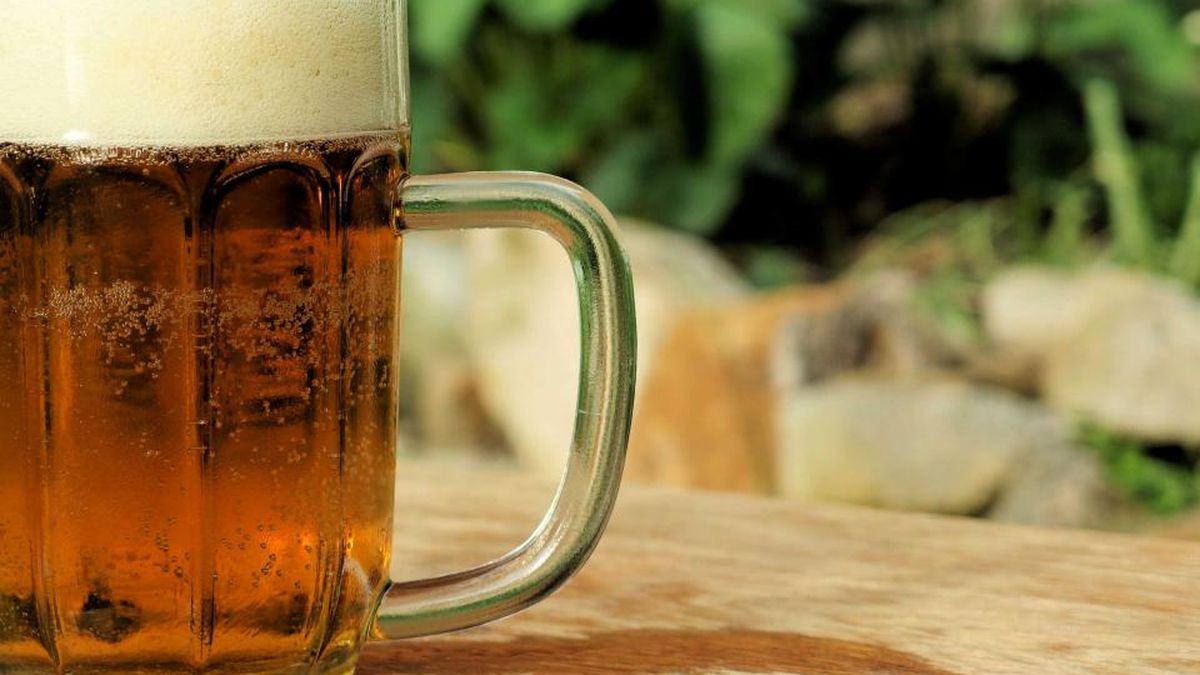
Why India’s Weekend Drinkers Are Gaining Visceral Fat Without Gaining Weight: The Alcohol-Belly Fat Connection Explained
You train four times a week. You’ve cut the sugar, swapped white rice for millets, and your weight hasn’t moved in months — which should mean you’re doing fine. Then an InBody scan shows a Visceral Fat Area that doesn’t match the effort. The scale agrees with you. The mirror mostly agrees with you. The one variable nobody asked about is what happens on Friday and Saturday nights.
Alcohol is one of the most common — and most unexamined — drivers of visceral fat in urban India today. It stays unexamined because it’s social and normalised: most people never connect a couple of beers on a rooftop or a few pegs of whisky after work to the number on their body composition report. But the mechanism linking alcohol to visceral fat is direct, well-documented in recent research, and genuinely responsive to fairly small changes in habit.
The Mechanism: Why Alcohol Calories Don’t Behave Like Food Calories
Every gram of alcohol delivers roughly 7 calories — more than a gram of carbohydrate or protein (4 calories each), just short of a gram of fat (9 calories). That alone makes a heavy session calorically expensive. But the calorie count is the least interesting part of the story — what matters more is what your liver does with those calories, and what it stops doing while it processes them.
When you drink, your body treats ethanol as a priority substrate — a mild toxin cleared before anything else. The liver’s alcohol dehydrogenase pathway metabolises ethanol first, ahead of the fat and carbohydrate sitting in your bloodstream from the plate of kebabs or peanuts next to your glass. This is measurable biochemistry: ethanol metabolism sharply raises the liver’s NADH-to-NAD⁺ ratio, and that shift directly inhibits fatty acid oxidation — the process your body uses to burn fat for fuel. In plain terms, for as long as your liver is busy clearing alcohol, fat-burning is paused.
Alcohol also changes the liver’s fat-handling machinery at a genetic level. It switches on SREBP-1, a protein that drives fat synthesis, while suppressing PPAR-α, a receptor that normally drives fat breakdown. It reduces the liver’s ability to export fat as VLDL particles into the bloodstream, effectively trapping newly made fat inside liver cells, and it lowers adiponectin — a hormone that improves insulin sensitivity — while increasing fatty acid release from fat tissue into circulation. Every one of these pathways points the same direction: more fat made, less fat burned, and a disproportionate share of it routed toward the liver and the depots surrounding your abdominal organs — your visceral fat.
A 2026 University of Oxford study, published in the International Journal of Obesity, put a number on this using DXA scans of 5,761 adults in the Oxford Biobank. People in the highest quartile of alcohol consumption carried visceral fat mass over 10% greater than those in the next quartile down, a gap that held after accounting for total body fat. Researchers proposed that acetaldehyde, produced while your body breaks down alcohol, may activate hormonal pathways that specifically redirect fat storage toward the abdomen. Notably, people drinking within commonly cited low-risk limits showed no measurable increase in visceral fat — this is a dose-dependent story, not an all-or-nothing one.
An earlier CT-imaging study from Japan — the Shiga Epidemiological Study of Subclinical Atherosclerosis (SESSA) — found something equally telling in an Asian population: higher alcohol intake in Japanese men was strongly associated with greater visceral fat area, independent of BMI, while showing almost no relationship with subcutaneous fat. Alcohol didn’t make these men fatter in the pinchable sense. It made them fatter specifically around the organs — the kind of fat a mirror cannot show you.
India’s Drinking Culture Is Changing Faster Than the Conversation Around It
For decades, Indian public health messaging on alcohol assumed a stable picture: a minority drank, often heavily, concentrated in specific regional pockets. That picture is now outdated for urban India. The country recorded the fastest growth in alcohol consumption of any major global market in FY24 — the sharpest pace since the current GDP data series began in 2011–12 — and industry analysts project India will become the world’s fourth-largest alcohol market within two years, overtaking Japan. This growth is concentrated in exactly the demographic this blog covers most — young, urban, disposable-income-rich professionals in their twenties and thirties, for whom a Friday pub visit or a Saturday brewery outing is now as normalised as ordering in food. Industry tracking shows premium beer volumes rising 8% in the first half of 2025 alone, with millennials and Gen Z over-indexing on nearly every major alcoholic beverage category — beer chief among them — driven by a nightlife culture that barely existed in most Indian cities fifteen years ago.
Underneath the growth headline sits a subtler, clinically relevant shift. National Family Health Survey data shows that while the overall share of Indians who drink has fallen in recent years, those who do drink are doing so more often — daily alcohol use among male drinkers rose by more than 24%, weekly use by over 7%. Fewer casual drinkers, more regular ones — precisely the pattern most associated with visceral fat.
India’s per capita alcohol consumption has more than doubled since the early 2000s, reaching an estimated 4.54 litres of pure alcohol per adult in 2022 (WHO figures) — likely an understatement, since the WHO estimates up to half of all alcohol consumed in India goes unrecorded, roughly double the global average. The National Mental Health Survey separately found alcohol use disorders in an estimated 9% of adult men, and a secondary analysis of national health data found alcohol use among Indians under 21 rose from 2% to 14% over fifteen years — starting the visceral-fat clock a decade earlier than for previous generations.
The pattern matters as much as the volume. Much of India’s urban drinking follows a weekend-concentrated, higher-volume-per-session model — several drinks across Friday and Saturday, little or nothing midweek — rather than a smaller daily-glass pattern. This isn’t cosmetic. Research links binge-pattern drinking specifically to impaired hypothalamic regulation of insulin, suppressed control over hepatic glucose output, and disrupted fat mobilisation from adipose tissue — effects less consistently seen when the same total alcohol is spread evenly across a week. Two concentrated nights can plausibly do more visceral-fat damage than the same total spread out, even when the weekly figure looks identical on paper.
Why This Shows Up on Your InBody Scan Before It Shows Up Anywhere Else
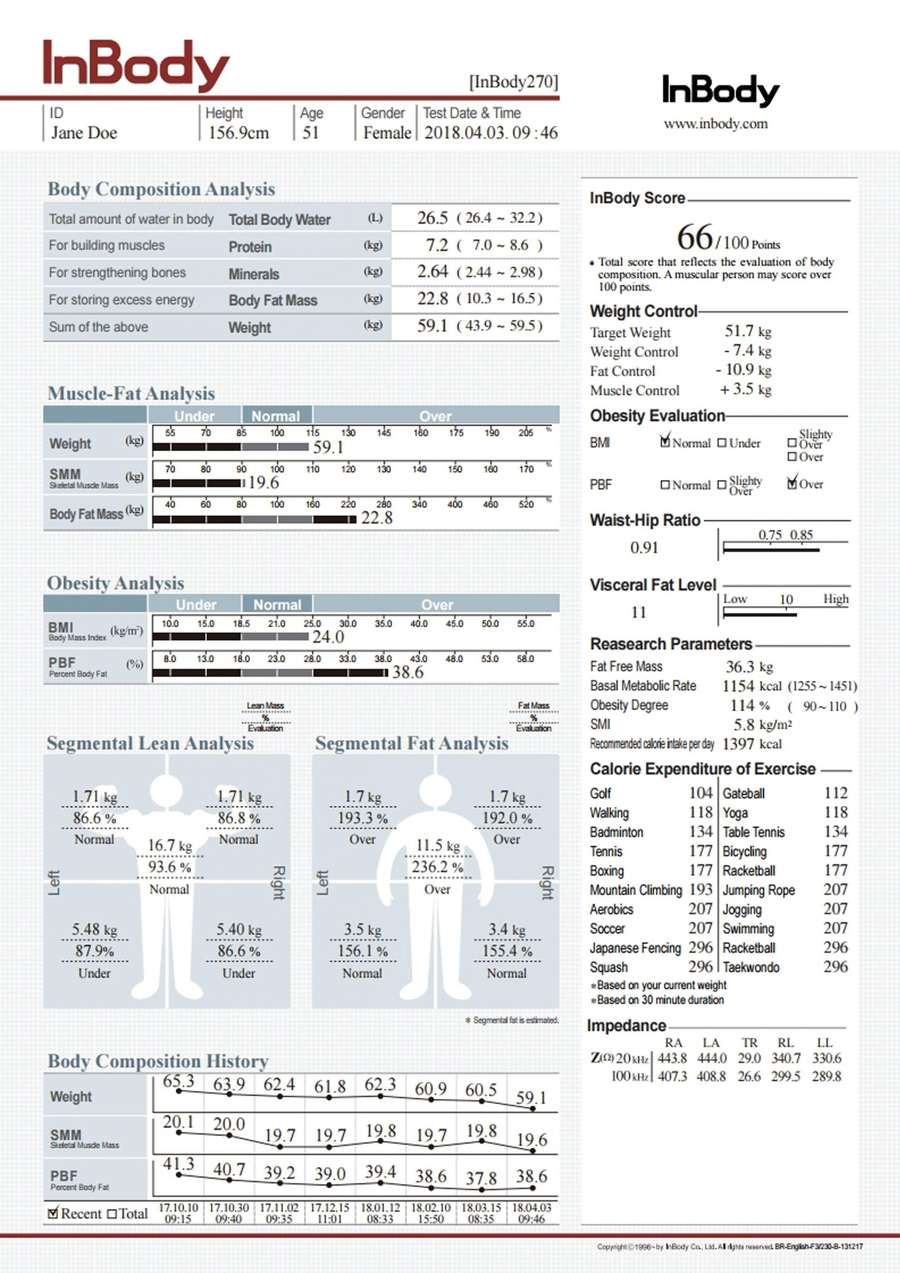
This is the part that connects alcohol directly to body composition testing rather than general health advice. Because alcohol-driven fat gain is preferentially visceral, it’s genuinely common for a regular drinker to look and weigh exactly the same as a year ago while their Visceral Fat Area climbs from a comfortable 70–80 cm² into the 100+ cm² range flagged as high risk in Asian populations. BMI doesn’t move. The bathroom scale, which cannot distinguish where fat is stored, has nothing useful to say about this at all.
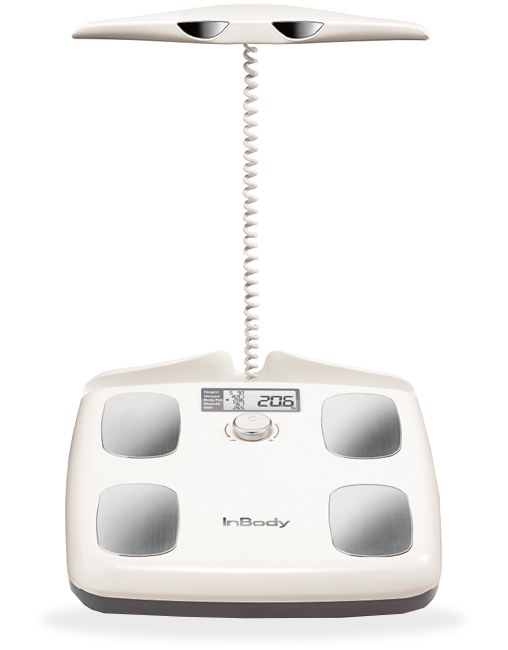
This is exactly the blind spot InBody’s Visceral Fat Area metric exists to close. Bioelectrical impedance analysis separates the fat under your skin from the fat packed around your liver, pancreas, and intestines — the depot alcohol preferentially fills — and reports it as a trackable number in square centimetres. Combined with the ECW/TBW ratio, InBody’s marker for systemic inflammation, clinicians frequently see a specific pattern in regular drinkers: visceral fat disproportionately elevated relative to overall body fat, alongside a mildly elevated ECW/TBW ratio reflecting the inflammatory load alcohol places on the liver.
This matters even more once you factor in the liver. Visceral fat drains directly into the portal vein — the blood vessel feeding straight into the liver — which is why visceral fat and hepatic fat tend to rise and fall together. Regular alcohol intake adds a second, independent hepatic-fat pathway on top of whatever metabolic risk a person already carries — precisely why liver specialists now use a newer clinical category, MetALD, for fatty liver driven by both metabolic factors and alcohol at once, rather than treating the two separately. For a country where an estimated 30–40% of urban adults already carry metabolic fatty-liver risk before a single drink enters the picture (see our deep dive on fatty liver and visceral fat in India), regular drinking compounds whatever is already happening in the liver.
What Actually Helps: A Practical, Non-Judgmental Protocol
None of this is an argument for teetotalism. It’s an argument for treating alcohol as a measurable input to your visceral fat number — the same way this blog treats sugar, sleep, and stress — rather than a lifestyle choice that sits outside the conversation entirely.
- Separate frequency from volume. Spreading the same total alcohol across the week causes less metabolic disruption than concentrating it into one or two binge-pattern nights. Reducing peak-night volume matters more than cutting a mid-week drink you weren’t having anyway.
- Never drink on an empty stomach. Food slows alcohol absorption and blunts the sharp NADH/NAD⁺ spike that shuts down fat oxidation. This won’t offset a heavy session, but it softens the metabolic impact.
- Protect the 48 hours after a heavy session. Normal fat oxidation takes roughly a day or two to recover after significant drinking. A hard training session or an indulgent meal the next morning stacks two visceral-fat-promoting inputs on top of each other.
- Choose lower-calorie, lower-sugar drinks where you can. A spirit with a zero-calorie mixer carries meaningfully fewer calories per session than a sweet cocktail, dessert wine, or several full-strength beers.
- Retest your Visceral Fat Area whenever your drinking habits change materially — a new job with client dinners, wedding season, a livelier social scene. VFA is one of InBody’s faster-moving numbers; a consistent change in habit is usually visible within 8–12 weeks.
- Treat unexplained high VFA as a prompt to look at alcohol specifically — not sugar, not sleep, not stress alone. If your diet and training are already clean and your VFA is still elevated, weekend drinking volume is one of the highest-yield places to look next.
Frequently Asked Questions
Does alcohol specifically cause visceral fat, or just fat gain in general?
Alcohol’s fat-gain effect isn’t general — it’s specifically weighted toward visceral fat. Because ethanol is processed almost entirely in the liver and disrupts fat oxidation there, fat from regular drinking tends to deposit around the abdominal organs rather than under the skin. Studies using DXA and CT imaging confirm alcohol intake correlates strongly with visceral fat, with little to no association with subcutaneous fat.
How much alcohol is “too much” for visceral fat risk?
Risk rises with volume rather than switching on at one fixed point. A 2026 Oxford Biobank study found visceral fat was over 10% higher in the heaviest-drinking quartile than the next quartile down, while people drinking within commonly cited low-risk limits showed no measurable increase. The WHO’s position is stricter still — it states no level of alcohol intake is entirely risk-free.
Is beer worse than other alcohol for belly fat?
Beer isn’t uniquely fattening at the molecular level — a gram of alcohol delivers roughly the same 7 calories regardless of source — but beer sessions typically involve larger total volumes over longer periods, often alongside fried snacks, which compounds caloric intake. The “beer belly” reputation likely reflects pattern and portion size as much as the beverage itself.
Can I still reduce my visceral fat if I drink occasionally?
Yes. For most people, moderate, food-accompanied, evenly-spread drinking is compatible with a visceral-fat-reduction plan, though it works against you compared with not drinking. What matters most is avoiding binge-pattern sessions, protecting the day after heavy drinking from added metabolic stress, and tracking your Visceral Fat Area to see if your pattern matches your goals.
Why doesn’t my weight or BMI reflect my drinking habits?
Because alcohol-driven fat gain is preferentially visceral rather than subcutaneous, it often doesn’t show up as noticeable weight gain or a higher BMI, especially early on. A regular drinker can weigh the same as a year ago while their Visceral Fat Area rises well into a higher-risk range — exactly the kind of change a body composition scan detects and BMI cannot.
How often should I retest my visceral fat if I drink regularly?
If you drink more than occasionally, retesting every three months — or whenever your drinking pattern changes meaningfully — gives you enough resolution to catch a rising trend early. Visceral Fat Area is one of InBody’s faster-moving metrics, so a consistent shift in habits usually shows up within 8–12 weeks.
Know Your Visceral Fat Number — Especially If You Drink Regularly
Alcohol is one of the few visceral fat drivers where the feedback loop is genuinely fast. A change in drinking pattern — fewer binge-style weekends, more food alongside drinks, a few alcohol-free weeks between social seasons — can move your Visceral Fat Area within a single quarter, but only if you’re measuring the right number in the first place.
An InBody assessment gives you your Visceral Fat Area, ECW/TBW ratio, and a complete muscle-to-fat picture in minutes — data your weight and your reflection cannot provide. If your numbers don’t match your effort in the gym and the kitchen, weekend drinking is one of the first places worth looking. Book an InBody body composition test and find out where your visceral fat actually stands.
Related reading: how hidden sugar drives visceral fat in India, the cortisol-visceral fat connection, and the flagship explainer on visceral fat normal ranges, risks, and how it’s measured.

Most trending articles
Hypothyroidism Symptoms in India: Signs Most People Miss
1 in 10 Indian adults has hypothyroidism, and it hides behind ordinary tiredness. The early signs most people blame on stress, age, or a new baby.
वज़न बढ़ाने के लिए क्या खाएं? सही डाइट प्लान (सिर्फ ज़्यादा खाना नहीं)
सिर्फ ज़्यादा खाने से मांसपेशी नहीं बनती, चर्बी बढ़ सकती है। सही कैलोरी सरप्लस, प्रोटीन और डाइट प्लान जो वज़न को सही तरीके से बढ़ाए — पूरी जानकारी हिंदी में।
भारत में प्रोटीन कितना ज़रूरी है? असली आंकड़े और सही फॉर्मूला
IMRB के एक सर्वे में लगभग 73% भारतीय आहार प्रोटीन-कम पाए गए। सही प्रोटीन टारगेट कैसे निकालें और किन फूड्स से पूरा करें — पूरी जानकारी हिंदी में।